
The Best Non-Fender Telecaster-Style Guitars

Few instruments have left a mark on music quite like the Telecaster.
Introduced in the early 1950s, Leo Fender's no-nonsense workhorse helped define country, rock, blues, and countless other genres.
Its straightforward design, cutting attack, and unmistakable twang have made it one of the most influential electric guitar designs ever created.
But while Fender and Squier continue to produce name-brand Telecasters, a growing number of manufacturers have taken the classic formula and added their own twists. These builders preserve the magical elements that make a great Telecaster style guitar while introducing new features, premium craftsmanship, and unique tonal personalities. On top of that, these models are known for impeccable setups that make them stage-ready right off the shelf.
If you're looking for the best Telecaster alternatives available today, here are five standouts that prove the T-style guitar still has plenty of room to evolve.
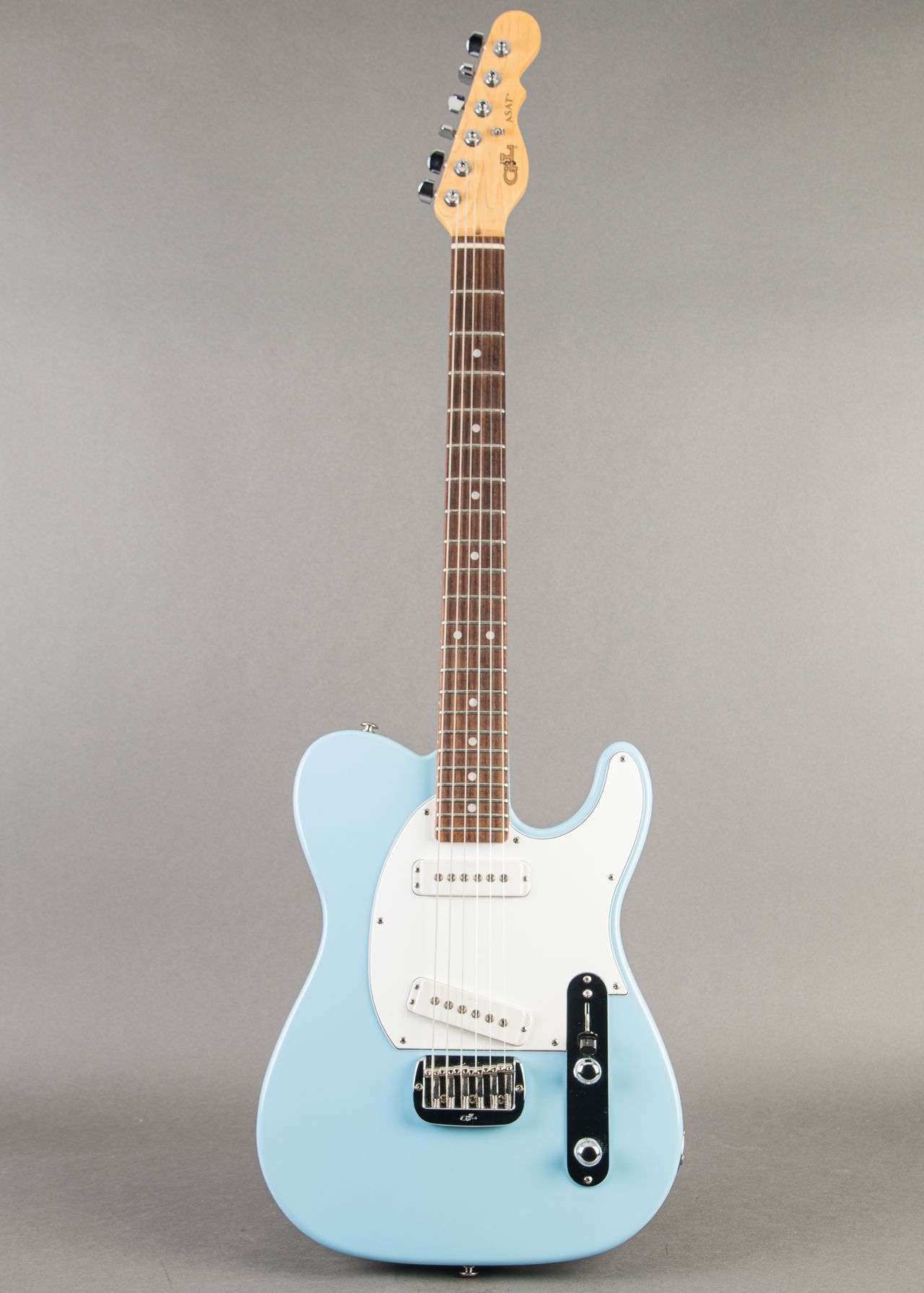
1. G&L ASAT
Let's start with perhaps the Telecaster's most fitting successor.
G&L was founded in 1980 by Leo Fender himself alongside George Fullerton and Dale Hyatt. After revolutionizing the guitar industry, Leo spent his later years refining many of his original ideas through G&L.
The ASAT looks familiar at first glance, but it's far from a copy. In many ways, it's Leo Fender's "final draft" of the Telecaster concept.
The ASAT retains the iconic single-cutaway body shape, bolt-on neck, and straightforward control layout that define a classic T-style guitar. However, G&L upgraded the platform with innovative bridge designs, improved hardware, and the company's powerful Magnetic Field Design pickups.
These unique guitar pickups offer more output and wider frequency response than traditional Tele pickups while maintaining plenty of bite and articulation.
What Makes It Unique
- MFD pickups with increased output
- Saddle-lock bridge design
- Leo Fender's final refinements
- Exceptional build quality
The ASAT thrives in country guitar settings but has enough punch and versatility for blues guitar, classic rock guitar, and modern roots music. And while G&L has sadly ceased operations, you can still find plenty of exceptional ASATs out in the wild.
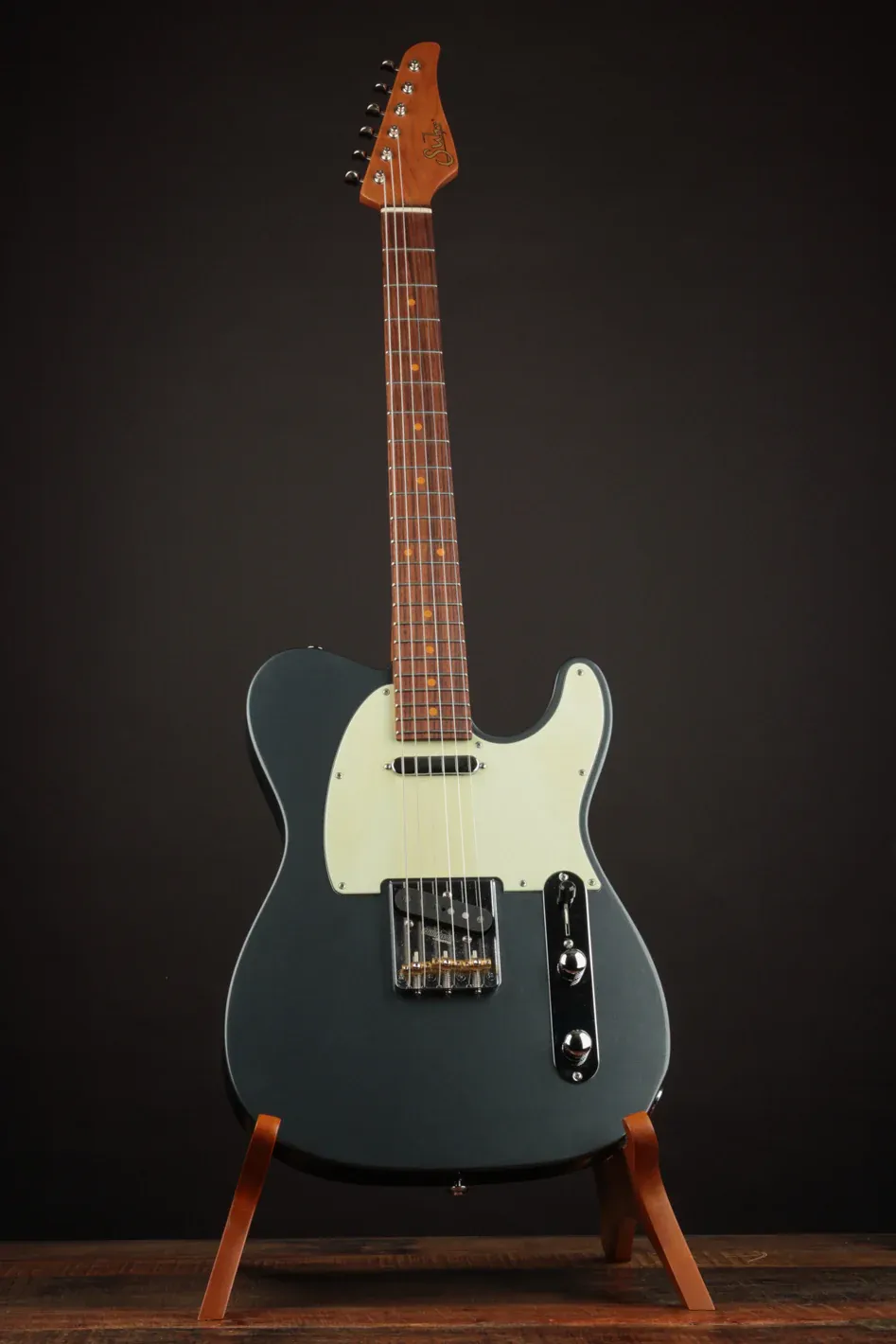
2. Suhr Classic T
John Suhr built his reputation as one of the world's premier guitar craftsmen, working as Senior Master Builder at Fender's Custom Shop before launching Suhr Guitars in the late 1990s.
Today, the California-based company is known for combining boutique craftsmanship with modern performance features.
The Classic T takes just about everything players love about a vintage Telecaster and elevates it with meticulous attention to detail.
The familiar body shape, scale length, and control arrangement remain intact, preserving much of the classic vintage tone that Tele enthusiasts crave. But Suhr introduces flawless fretwork, premium woods, noiseless electronics options, and ultra-consistent manufacturing standards. The result is a boutique Telecaster that feels instantly familiar yet noticeably refined.
What Sets it Apart
- Boutique-level craftsmanship
- Modern neck profiles
- Noiseless pickup options
- Exceptional playability
The Classic T excels in virtually every genre. Whether you're chasing country guitar twang, blues guitar warmth, or articulate rock guitar tones, it delivers.
T-Style Strings
The Best Strings for Your T-Style Guitar

Stringjoy 10-48 Balanced Light Gauge Signatures - Nickel Wound Electric Guitar Strings

Stringjoy 10.5-50 Balanced Light Plus Gauge Orbiters - Coated Nickel Electric Guitar Strings

Stringjoy 10-46 Classic Light Gauge Broadways - Pure Nickel Electric Guitar Strings

Stringjoy 9.5-48 Husky Super Light Plus Gauge Signatures - Nickel Wound Electric Guitar Strings
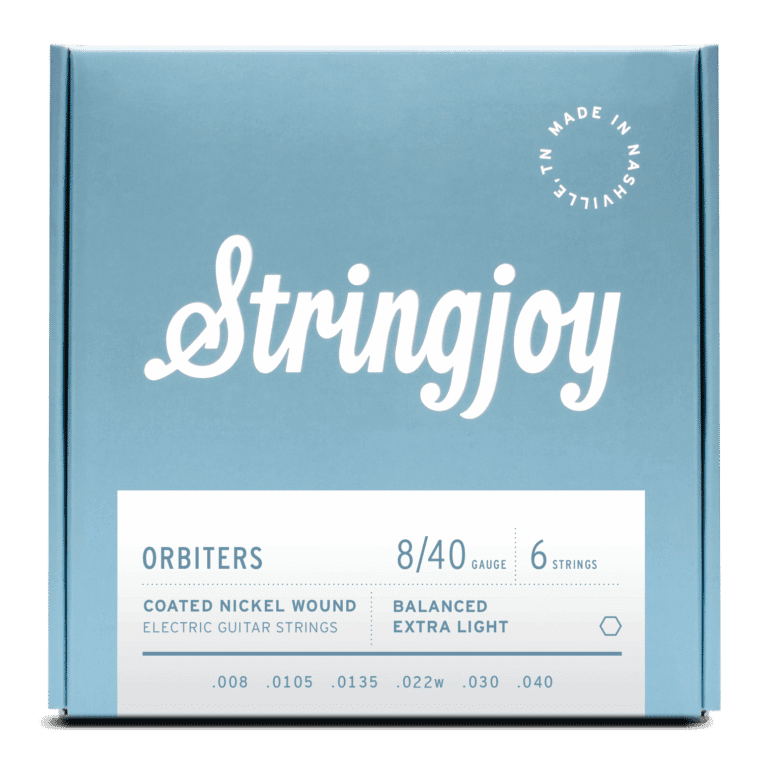
Stringjoy 8-40 Balanced Extra Light Gauge Orbiters - Coated Nickel Electric Guitar Strings

Stringjoy 11-48 Classic Medium Gauge Broadways - Pure Nickel Electric Guitar Strings

Stringjoy 2.0mm Dagger Acrylic Picks - 2 Pack
Stringjoy Smooth Black Leather Modern Classic Guitar Strap
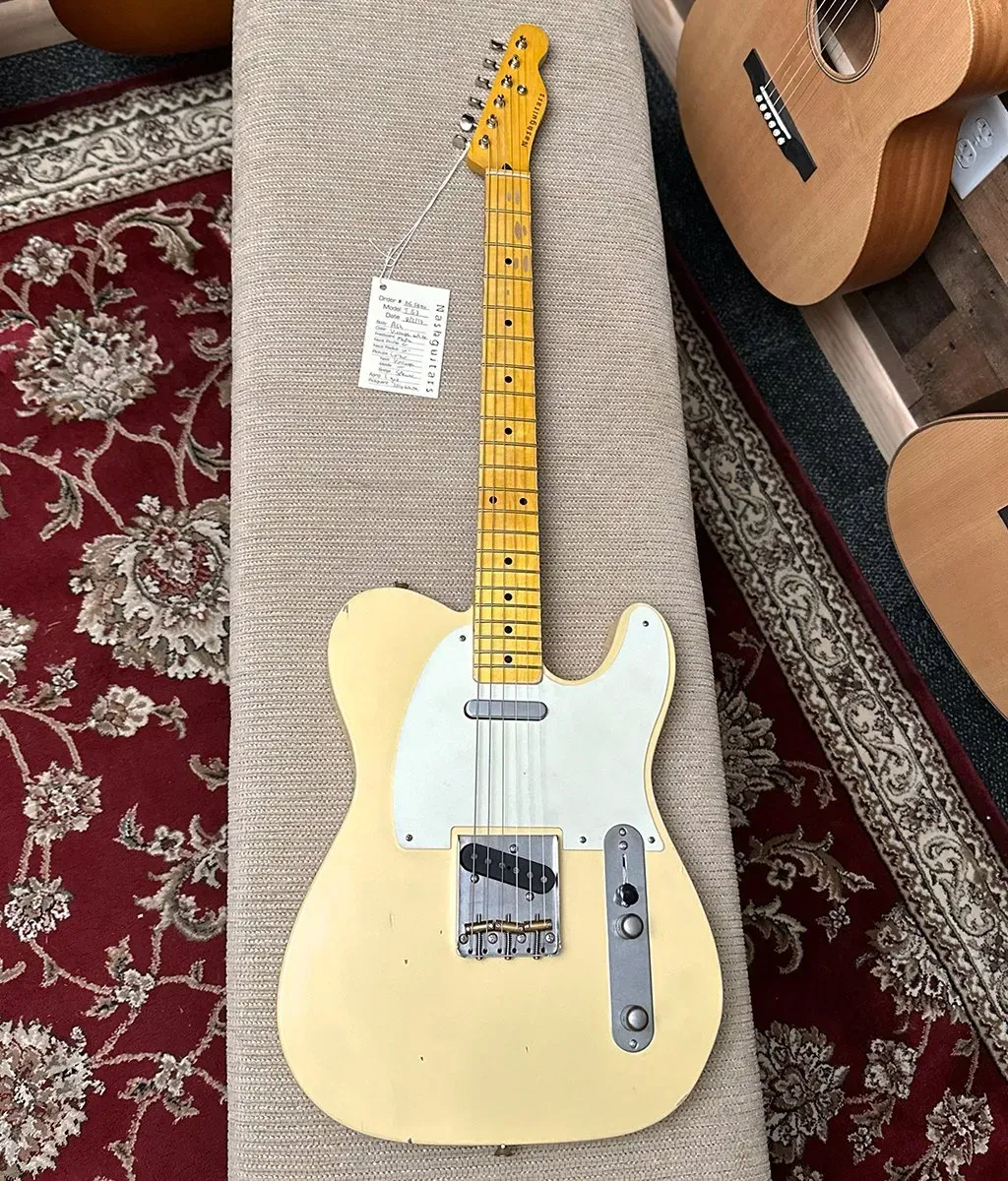
3. Nash T-57
Founded by Bill Nash in Washington, Nash Guitars built its reputation around expertly aged instruments that capture the feel and character of beloved vintage guitars.
Nowadays, Nash is well known as one of the best "F-Style" builders out there, giving genuine vintage Fenders a run for their money.
The Nash T-57 embraces the spirit of a 1950s Telecaster while adding modern reliability.
Every Nash guitar is relic'd, giving it the appearance and feel of a well-loved instrument, recreating the broken-in comfort that players often associate with vintage classics.
Traditional single-coil guitar pickups (usually Lollar), ash bodies, maple necks, and vintage-correct hardware preserve much of the original formula.
What Sets it Apart
- Convincing vintage aesthetics
- Broken-in feel from day one
- Exceptional electronics and setups
- Authentic vintage tone
Players seeking old-school country guitar tones, Americana, roots rock, and blues guitar sounds will feel right at home with the Nash T-57.
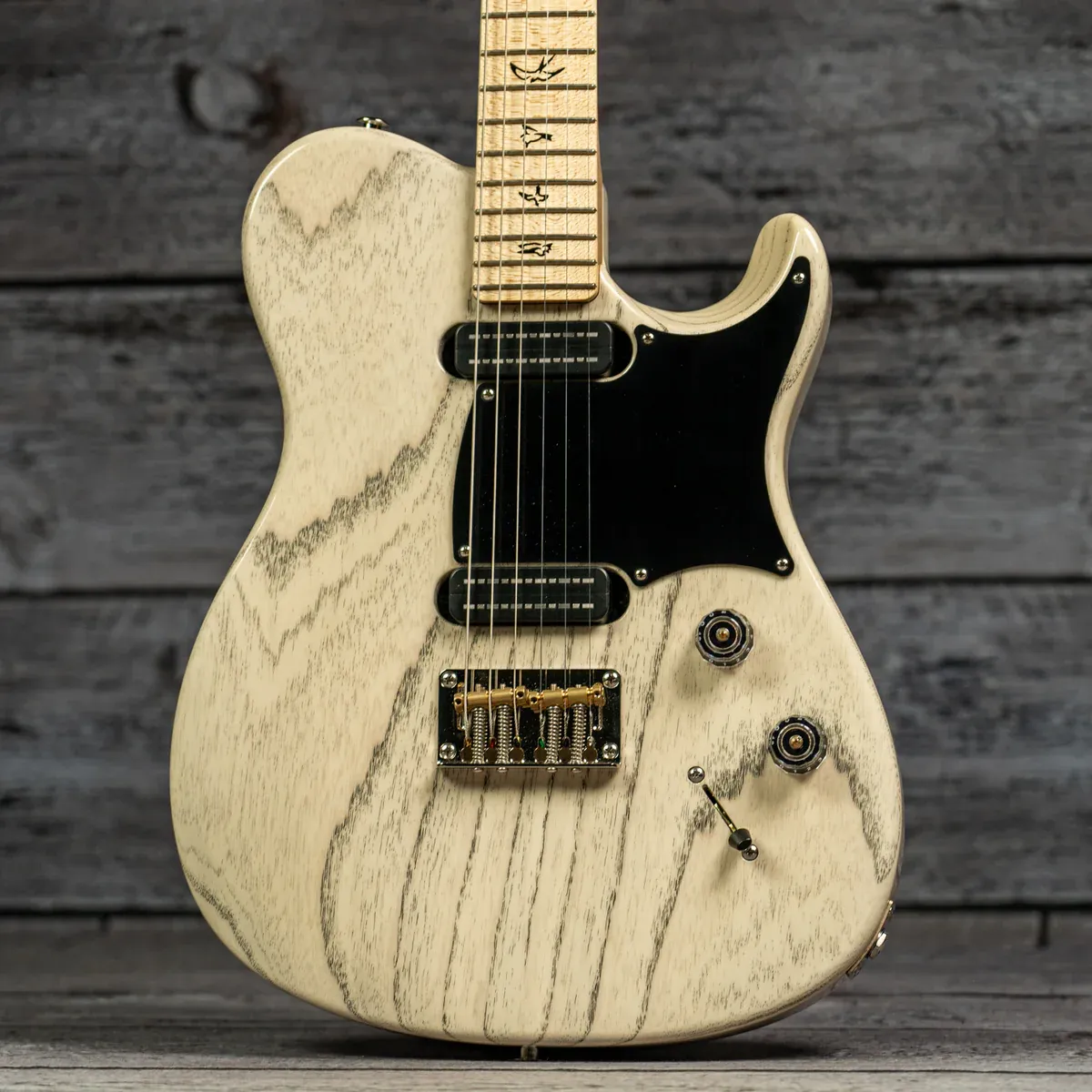
4. PRS NF 53
Founded by Paul Reed Smith in 1985, PRS built its reputation by blending vintage inspiration with modern precision.
While the company is best known for its carved-top electric guitars and signature artists like Carlos Santana and John Mayer, PRS has increasingly explored vintage-inspired designs that pay homage to some of the most iconic instruments ever made.
The PRS NF 53 is Paul Reed Smith's love letter to the earliest days of electric guitar design. Inspired by a prized 1953 Tele-style instrument from Smith's personal collection, the NF 53 captures much of the snap, clarity, and immediacy that made the original famous.
Rather than creating a direct copy, PRS infused the design with its own engineering philosophy. The standout feature is the company's Narrowfield pickups, which deliver the articulation and focus of traditional single coils while reducing noise and adding a slightly thicker tonal character.
The guitar retains many hallmarks of a classic Telecaster style guitar: a slab-style body, bolt-on maple neck, simple control layout, and plenty of twang. Yet it feels unmistakably PRS in execution, with flawless fit and finish and modern playability.
What Sets it Apart
- Proprietary Narrowfield pickups
- PRS-level craftsmanship and consistency
- Vintage-inspired design with modern refinement
- Exceptional note definition and dynamics
The NF 53 occupies a fascinating middle ground between a traditional Telecaster and a modern boutique Telecaster, offering familiar tones with a more polished and versatile voice. The NF 53 excels in country guitar, Americana, roots rock, blues guitar, and classic rock guitar applications, and its articulate response makes it particularly appealing to players who rely on dynamic picking and nuanced touch sensitivity.
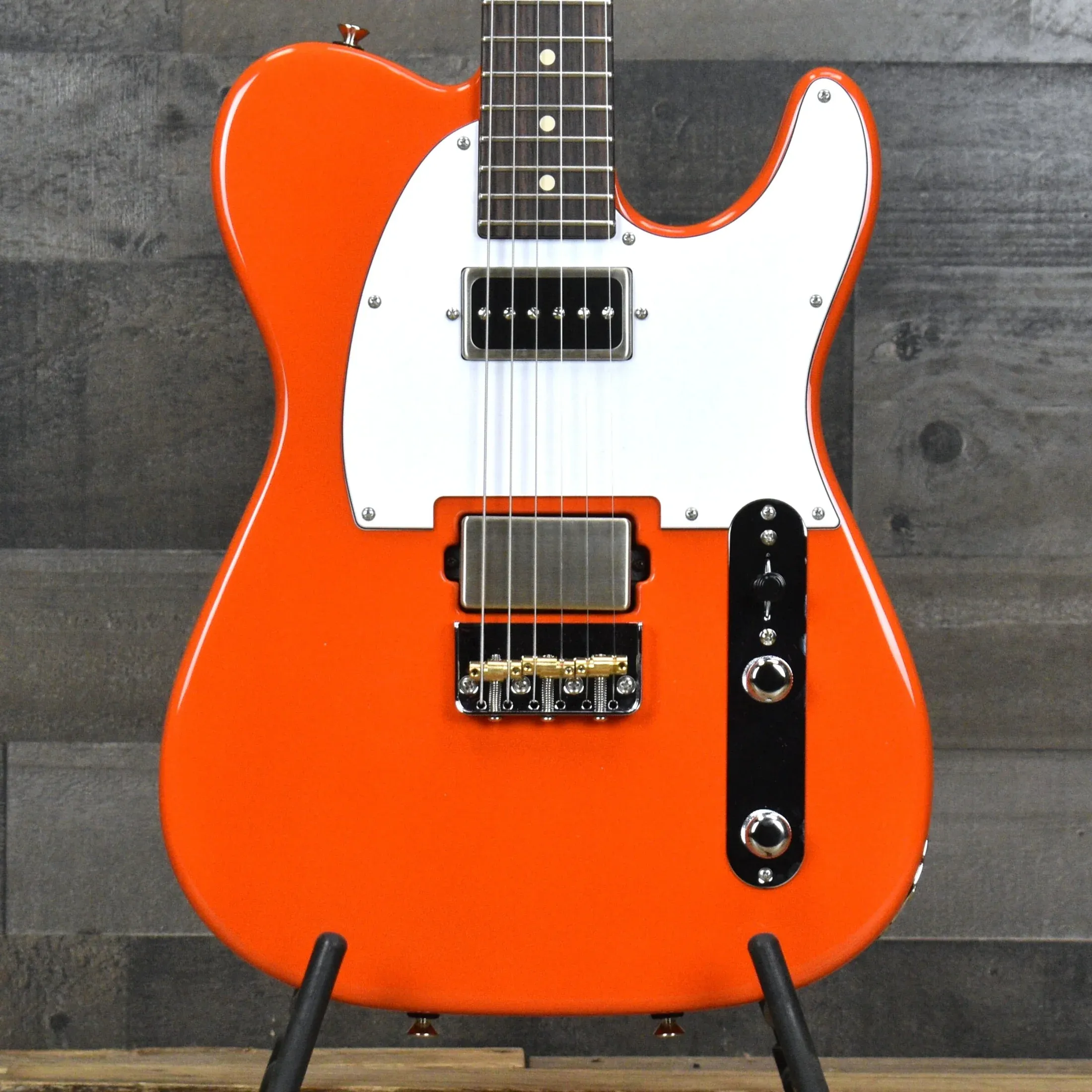
5. Tom Anderson T Classic
Tom Anderson Guitarworks emerged from Southern California's boutique guitar boom and quickly became known for obsessive craftsmanship and performance-focused engineering.
The Anderson T Classic represents a premium interpretation of the Telecaster formula.
At its core, it retains the familiar silhouette, scale length, and responsiveness that define a great Telecaster style guitar. Yet every detail is refined, from neck shaping to fretwork to electronics.
Anderson's proprietary pickups deliver exceptional clarity while preserving the snap and attack players expect from a classic Tele.
What Sets it Apart
- Precision craftsmanship
- Impeccable setup quality
- Versatile electronics
- Premium materials throughout
From studio sessions to arena stages, the T Classic covers country guitar, blues guitar, modern rock guitar, and fusion with ease.
Why These Builders Matter
The Telecaster formula just works.
A slab body, bolt-on neck, responsive guitar pickups, and direct controls create an instrument that feels connected to the player in a uniquely satisfying way.
What the aforementioned five companies demonstrate is that honoring tradition doesn't mean standing still. Whether it's G&L carrying forward Leo Fender's final innovations, Suhr pursuing perfection, Nash capturing vintage magic, PRS expanding tonal possibilities, or Tom Anderson refining every detail, each builder has found a way to preserve the soul of the Telecaster while adding something distinctly their own.
For players exploring the best non-Fender, Telecaster alternatives, these guitars offer the perfect balance of familiarity and innovation. They retain the twang, attack, and character that made the original famous while opening new doors for today's musicians.
The result? More choices, more inspiration, and more ways than ever to experience one of the greatest electric guitar designs ever created.
Other Posts you may like


Guitar Strings Order: How the Guitar is Tuned and Why

Two Handed Tapping: Our Top 8 Tappers of All Time

Which Guitar Strings Wear Your Fret Wire Down More?
What is Nashville Tuning? Its History, Best Guitar Strings & Uses
Guitar Scale Length Explained: String Tension & Playability
What Guitar Strings I Used To Play...
0 Responses
Leave a Reply
Your email address will not be published. Required fields are marked *


