
Beyond Gibson: The Best Les Paul Style Guitars

The Gibson Les Paul is one of the most iconic electric guitars ever created. Thick sustain, singing humbuckers, carved maple tops, and enough rock history to fill an arena — it’s the blueprint for countless records across blues, classic rock, punk, metal, and beyond.
But while Gibson wrote the original story, a new generation of builders has taken the single cut formula and pushed it into exciting territory.
Today’s best Les Paul style guitars aren’t simply copies. They’re reinterpretations. Some sharpen the design for modern players. Others lean deeper into vintage guitar tone. A few preserve old-school craftsmanship while adding new personality. Together, they prove the magic of the Les Paul isn’t tied to one logo on a headstock.
Here are five standout makers building some of the best LP style guitars on the planet right now.
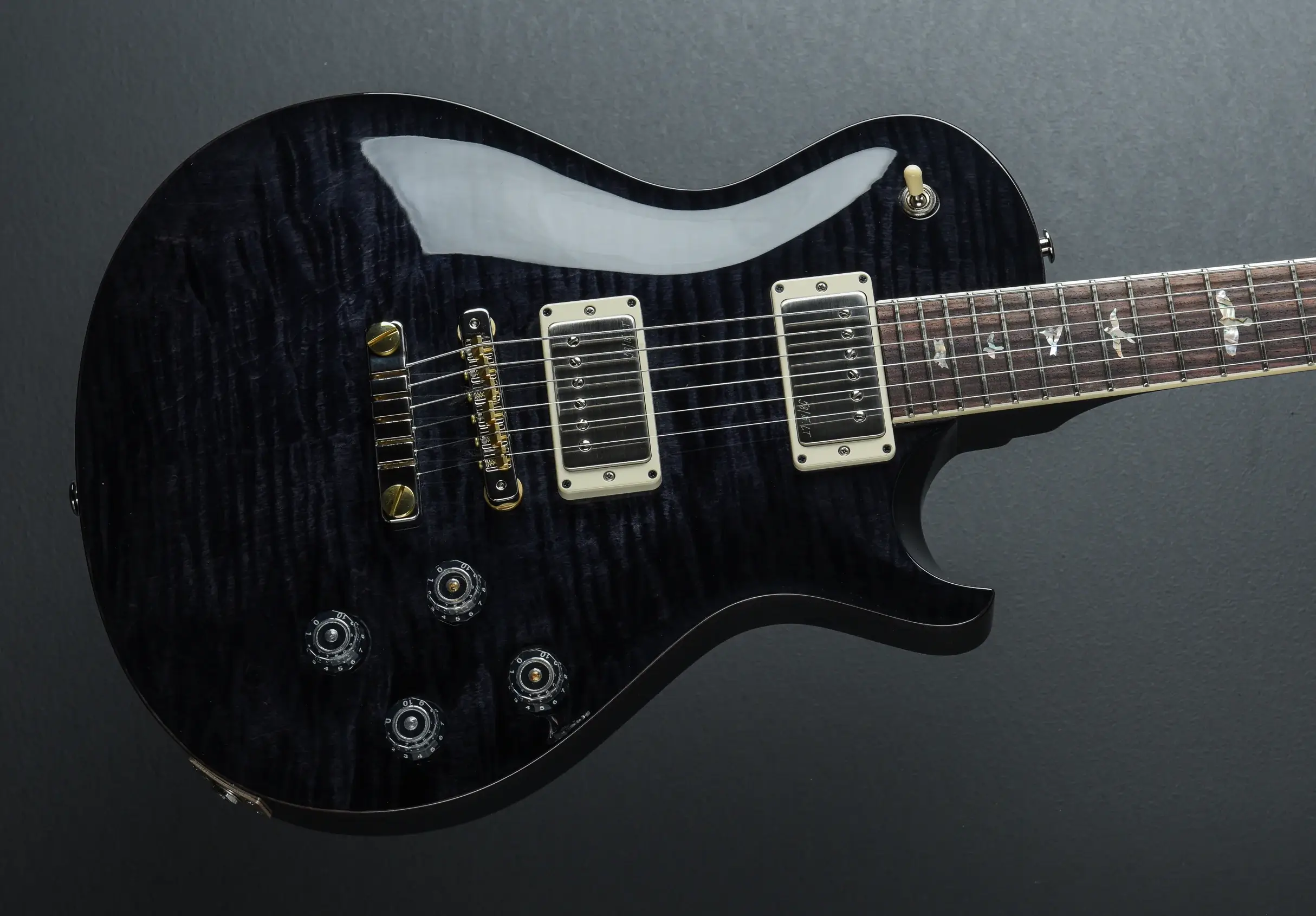
PRS McCarty 594 Singlecut
Paul Reed Smith built PRS around precision craftsmanship and player-focused innovation. Founded in Maryland during the 1980s, PRS quickly became the bridge between Fender snap and Gibson warmth. The company’s Singlecut models even sparked a famous legal battle with Gibson in the early 2000s before PRS ultimately prevailed.
The McCarty 594 Singlecut might be the company’s most refined take on the Les Paul recipe. It keeps the classic mahogany body, maple top, dual humbucker setup, and shorter scale length that players love in traditional single cut guitars. But PRS adds its own sleek DNA everywhere else.
The neck carve feels smoother and faster than many vintage-inspired guitars, while the intonation and tuning stability are famously rock solid. Coil-splitting adds serious versatility, making this one of the rare humbucker guitars that can jump from bluesy warmth to jangly indie tones without missing a beat.
Tonally, the McCarty 594 excels at classic rock, blues, fusion, and modern alternative styles. It retains that thick midrange punch associated with vintage Les Pauls but feels more polished and responsive under the fingers.
Artists like Mark Tremonti, David Grissom, and even John Mayer have long embraced PRS guitars for their balance of precision and soul. For players chasing classic tone with modern reliability, the McCarty 594 is hard to beat.
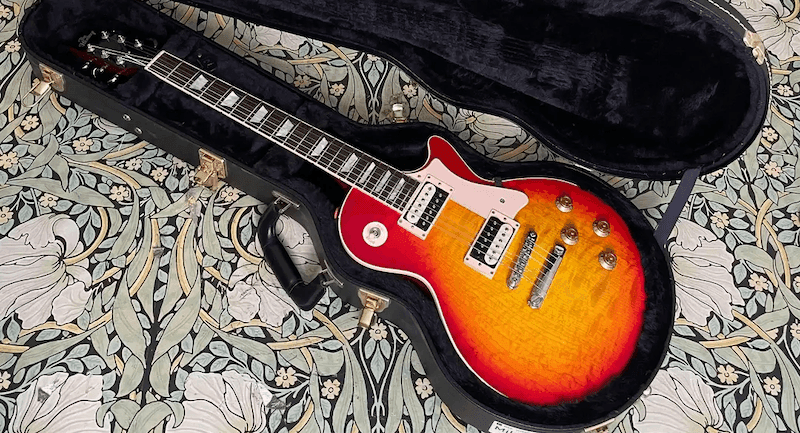
Heritage H-150
If there’s a company with true Les Paul blood running through it, it’s Heritage. Founded in Kalamazoo, Michigan by former Gibson employees after Gibson moved production away from the city in the 1980s, Heritage literally continued building guitars in the original factory.
The H-150 feels like a love letter to the golden era of Gibson alternatives. This is a deeply traditional instrument — carved maple top, mahogany body, nitro finish, chunky neck options, and old-school craftsmanship everywhere you look.
But Heritage isn’t stuck in nostalgia. Modern versions feature immaculate fretwork, premium pickups from Seymour Duncan or custom-wound makers, and a level of consistency that rivals boutique electric guitars costing far more.
The H-150 thrives in blues, classic rock, southern rock, and jazz-rock crossover styles. Plug one into a cranked tube amp and it delivers the rich harmonic bloom and sustain that players expect from elite mahogany body guitars.
Alex Skolnick of Testament famously used Heritage guitars for a period, and the brand has built a loyal following among players who want authentic vintage guitar tone without the inflated collector market.
If your dream Les Paul lives somewhere between 1959 and forever, the Heritage H-150 might be your perfect match.
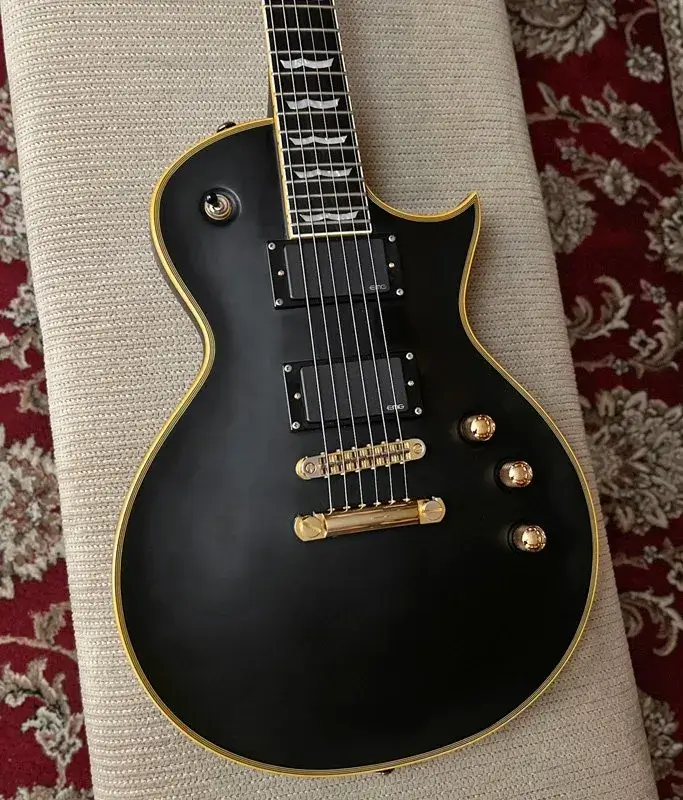
ESP LTD EC-1000
ESP began in Japan as a custom parts shop before evolving into one of the dominant forces in modern rock and metal guitars. While the company became famous through artists like Metallica’s James Hetfield and Kirk Hammett, its Eclipse and EC series quietly became some of the best modern Les Paul guitars around.
The LTD EC-1000 keeps the DNA of the original Les Paul but streamlines nearly everything for aggressive modern performance. It has the familiar single cut silhouette, dual humbuckers, and set-neck construction, but the thinner body, contoured heel, lighter weight, and faster neck profile make it feel dramatically more contemporary.
This guitar absolutely dominates in hard rock and metal, though many players use it successfully for punk, alternative, and even modern country sessions. Depending on the pickup configuration, the EC-1000 can range from tight and surgical to warm and expressive.
What separates the EC-1000 from many Gibson alternatives is its sheer practicality. Locking tuners, reliable hardware, easy upper fret access, and consistent factory setups make it a workhorse instrument designed for touring musicians.
You’ll see ESP guitars in the hands of everyone from Hetfield to Will Adler of Lamb of God, and for good reason. They take the Les Paul formula and push it into stadium-sized territory.
Les Paul Love Matches
These strings pair perfectly with Les Paul style guitars

Stringjoy 10-48 Balanced Light Gauge Signatures - Nickel Wound Electric Guitar Strings

Stringjoy 9.5-46 Balanced Super Light Plus Gauge Orbiters - Coated Nickel Electric Guitar Strings

Stringjoy 11-48 Classic Medium Gauge Broadways - Pure Nickel Electric Guitar Strings

Stringjoy 10.5-50 Balanced Light Plus Gauge Orbiters - Coated Nickel Electric Guitar Strings

Stringjoy 9-42 Balanced Super Light Gauge Signatures - Nickel Wound Electric Guitar Strings

Stringjoy 10-46 Classic Light Gauge Broadways - Pure Nickel Electric Guitar Strings
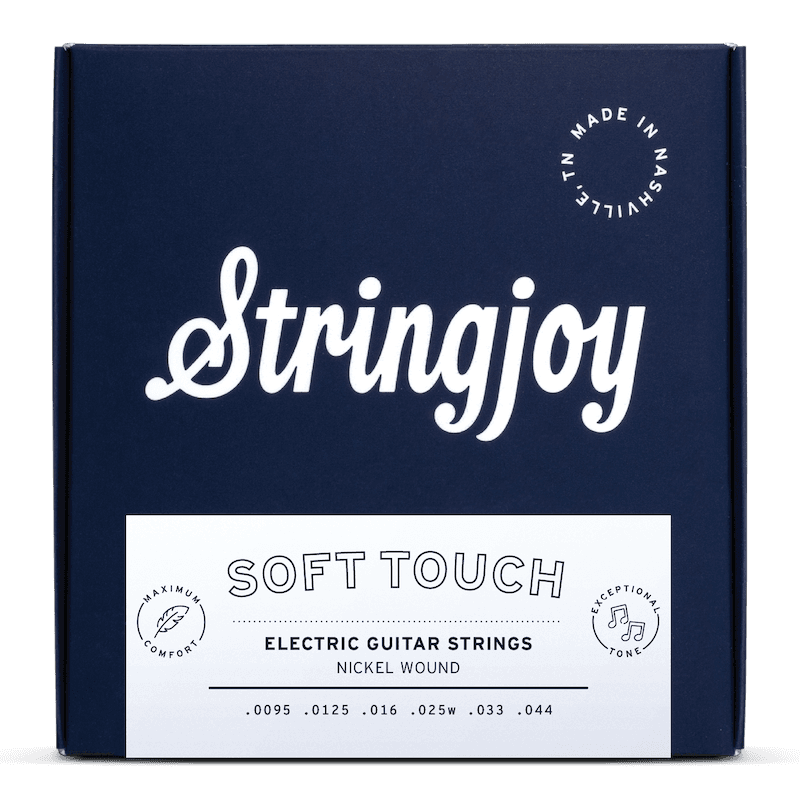
Stringjoy 9.5-44 Soft Touch Signatures - Nickel Wound Electric Guitar Strings
Reverend Sensei RA
Reverend doesn’t build traditional guitars. Founder Joe Naylor launched the company with a mission to blend vintage inspiration with modern functionality and unconventional design thinking.
The Sensei RA is Reverend’s rebellious answer to the Les Paul.
At first glance, you see the familiar single cut layout. But everything feels slightly reimagined. The body contours are more ergonomic. The Korina body adds resonance and snap. The Railhammer pickups combine clarity and punch in a way that feels both vintage and futuristic.
Unlike some ultra-modern guitars, the Sensei RA never loses its rock-and-roll heart. It still delivers thick riff tones, singing leads, and enough sustain to satisfy traditionalists. But there’s added articulation and tightness that make it especially strong for punk, garage rock, hard rock, and alternative styles.
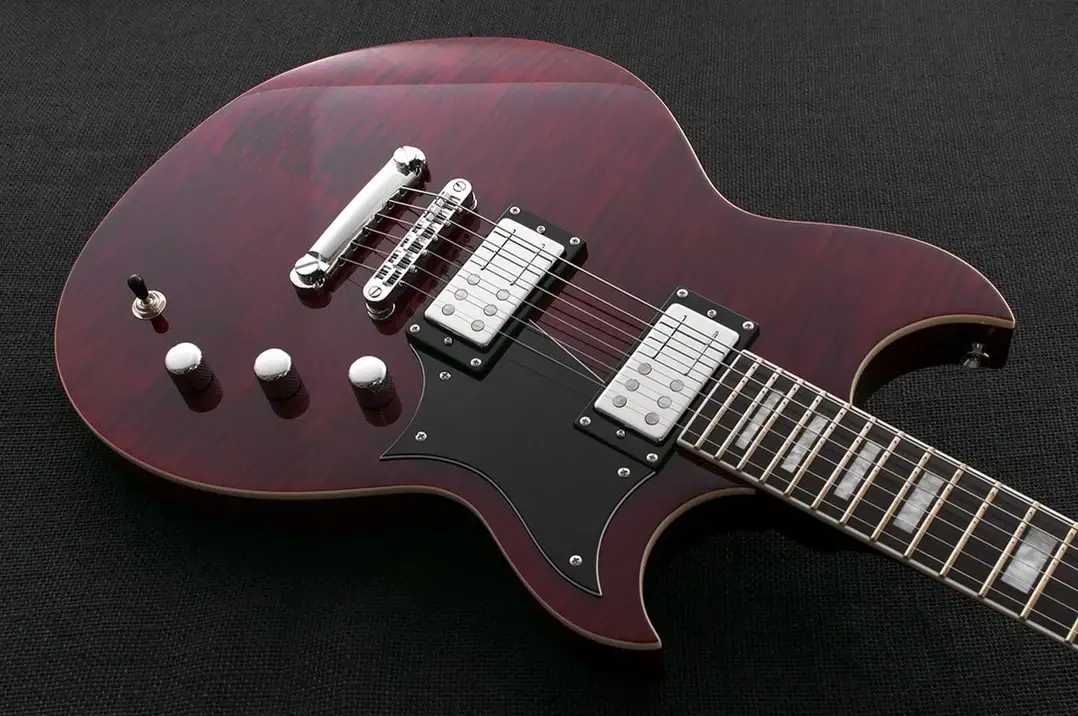
The Bass Contour control is one of Reverend’s secret weapons, allowing players to tighten low end response or open things up dynamically. It gives the guitar an incredible range beyond what many standard humbucker guitars offer.
Players like Billy Corgan, Reeves Gabrels, and Kyle Shutt of The Sword have all embraced Reverend’s forward-thinking approach to classic designs.
For guitarists who love the Les Paul spirit but want something a little weirder, cooler, and more flexible, the Sensei RA delivers.
Eastman SB-59
Eastman’s story is one of the coolest in modern guitar building. The company began as a workshop focused on handcrafted orchestral instruments before moving into electric guitars with a boutique-level attention to detail.
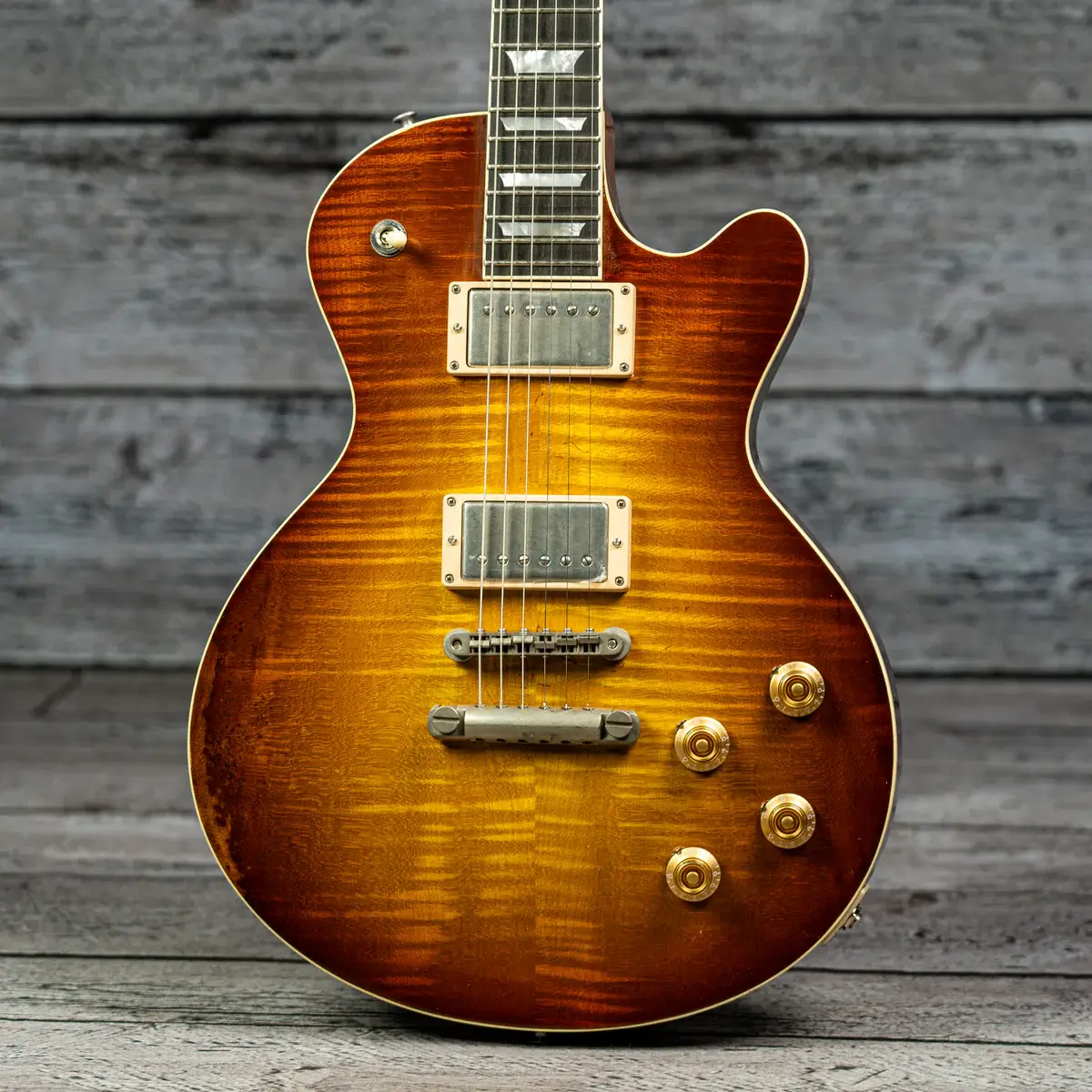
The SB59 has quietly become one of the most respected boutique electric guitars in the single cut world. It checks every traditional Les Paul box — carved maple top, mahogany body, nitro finish, set neck, dual humbuckers — but executes them with incredible finesse.
Where many modern guitars feel overly polished, the SB59 feels alive. There’s a rawness and responsiveness to the instrument that recalls vintage guitars from decades past. The neck profiles are comfortable without feeling sterile, and the finish work feels handcrafted in the best possible way.
Tonally, the SB59 shines in blues, Americana, roots rock, jazz, and classic rock settings. It has warmth and sustain, but also an airy openness that keeps chords articulate even under gain.
Eastman has earned a devoted following among session players and tone purists who want boutique quality without boutique pricing. In many circles, the SB59 is considered one of the best Gibson alternatives currently available.
And honestly? They may not be wrong.
Final Thoughts
The Les Paul remains one of the most influential guitar designs ever created, but the story no longer belongs exclusively to Gibson. Today’s best LP style guitars prove that innovation and tradition can absolutely coexist.
Whether you want the vintage soul of a Heritage H-150, the refined precision of a PRS McCarty 594, the modern aggression of an ESP LTD EC-1000, the quirky versatility of a Reverend Sensei RA, or the handcrafted magic of an Eastman SB59, there’s never been a better time to explore beyond the original blueprint.
Paired with the right strings, all of these models can capture the magic, tone, and soul of a classic Les Paul – with a voice that's altogether new and completely inspiring.
Other Posts you may like


Guitar Strings Order: How the Guitar is Tuned and Why

Two Handed Tapping: Our Top 8 Tappers of All Time

Which Guitar Strings Wear Your Fret Wire Down More?
What is Nashville Tuning? Its History, Best Guitar Strings & Uses
Guitar Scale Length Explained: String Tension & Playability
What Guitar Strings I Used To Play...
0 Responses
Leave a Reply
Your email address will not be published. Required fields are marked *


