
The Coolest Les Paul Artist Signature Models


Few guitars carry the mythological weight of the Gibson Les Paul.
From smoky clubs to arena stages and modern metal festivals, the Les Paul has become one of the most recorded, celebrated, and obsessively collected electric guitars ever built.
But among the endless universe of Goldtops, Customs, Juniors, and Bursts, there’s a special category: the artist signature Les Paul.
Signature models aren’t just cosmetic tributes, at least not the way Gibson makes 'em. The best signature models are painstaking recreations of instruments tied directly to legendary records, iconic tours, and singular players whose sound simply wouldn’t exist without a Les Paul plugged into a wide-open amp.
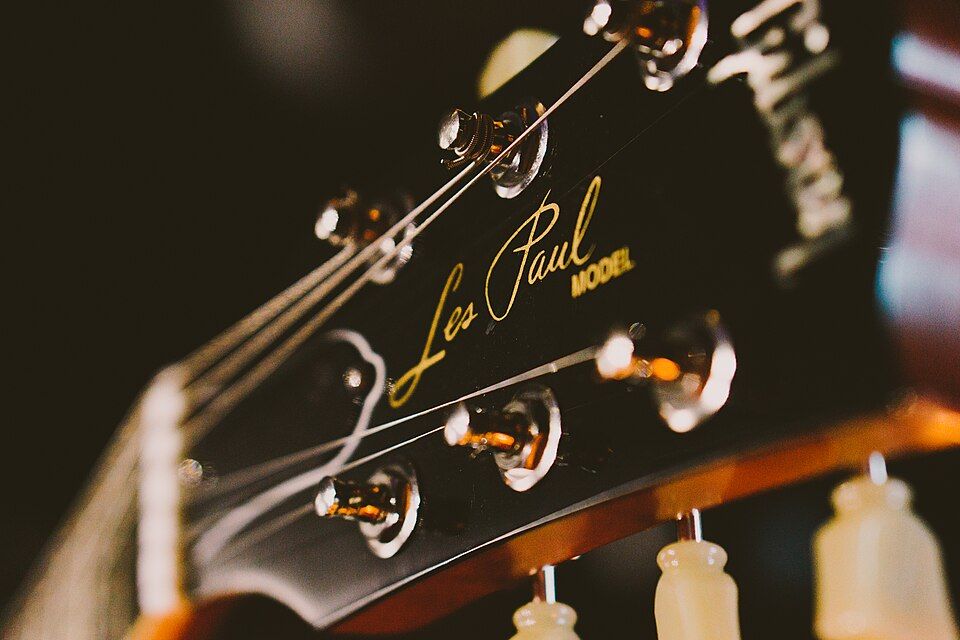
And before we get into the rundown of the most essential artist signature models ever, it’s worth remembering one crucial fact: as is made abundantly clear by the literal signature on its headstock, the Les Paul was and is an artist signature guitar.
Gibson worked closely with Les Paul the human, who happened to be a virtuoso guitarist, inventor, and recording pioneer, to design the model in the early 1950s. It's pretty cool that from the beginning, the Les Paul was about collaboration between Gibson and artists chasing new sounds.
That legacy continues through Gibson and the Gibson Custom Shop's incredible lineup of Les Paul signature models. In no particular oder, here are six of the coolest and most collectible ever made.
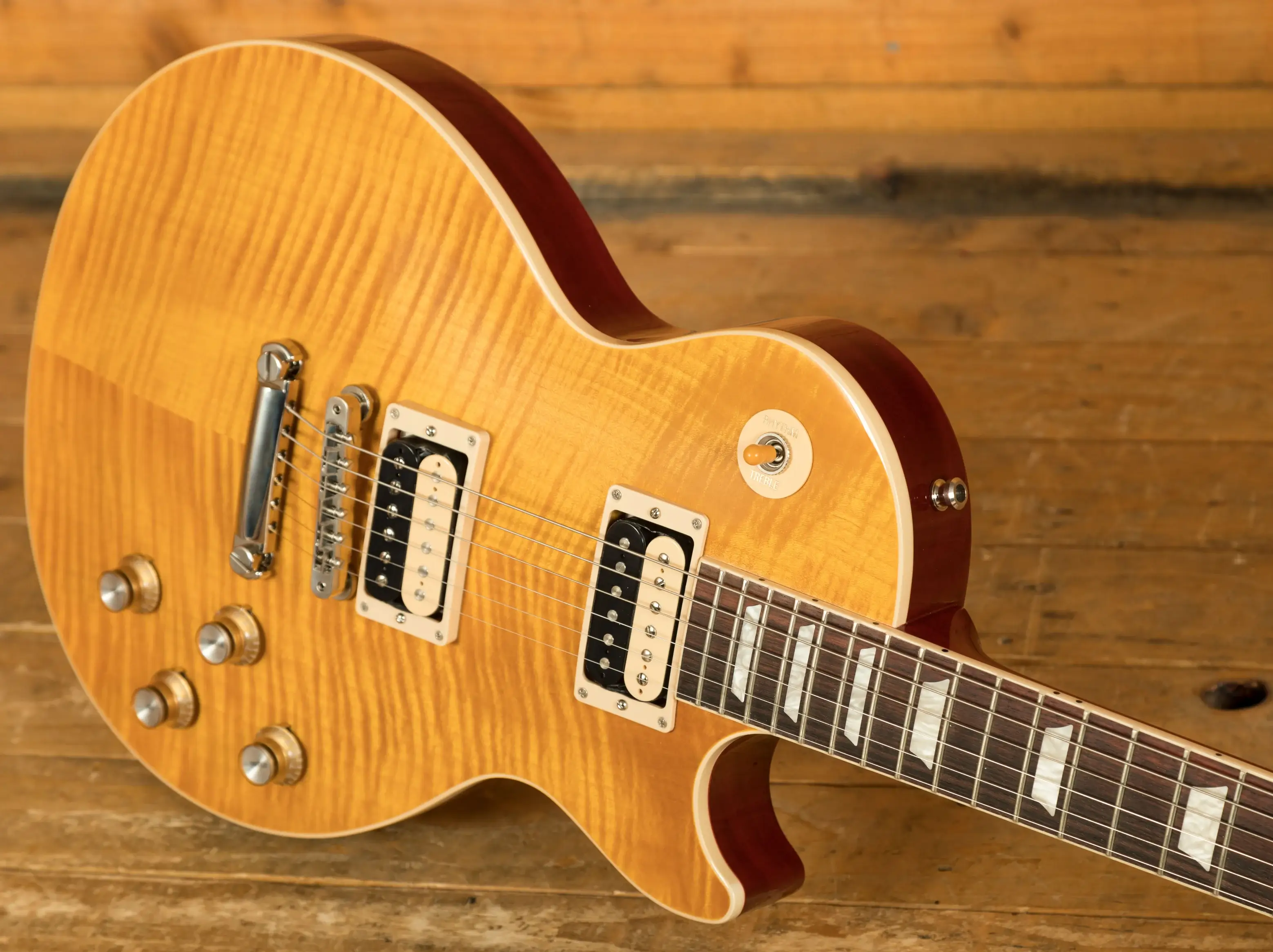
1. Slash Appetite Burst Les Paul
If one guitar-player pairing marks the Les Paul's moment just before the turn of the century, it’s Slash and his famously snarling burst tone on Appetite for Destruction, in which tracks the likes of “Sweet Child O’ Mine,” “Paradise City,” and “Welcome to the Jungle” helped reignite worldwide obsession with vintage Les Paul guitars during the late ‘80s.
Funnily enough, Slash’s actual “Appetite” guitar wasn’t even a Gibson factory build — it was a replica crafted by luthier Kris Derrig. But Gibson eventually collaborated closely with Slash to recreate the feel, response, and aggression of that iconic instrument in multiple artist signature Les Paul releases.
The Gibson Custom Shop Appetite Burst models are among the most collectible Gibson guitars of the modern era, and the model was so popular that Gibson (and Epiphone!) have even made it a staple of their Standard lineup.
Finished in a rich burst with bookmatched flame maple tops, these guitars capture the visual swagger of Slash’s original instrument while packing serious vintage Les Paul tone.
Custom BurstBucker pickups deliver the chewy midrange and upper-register bite heard all over Appetite for Destruction. Limited edition runs also include aged hardware, Murphy Lab relic work, and Slash-specific neck profiles that feel instantly familiar to fans of late-‘80s hard rock. They're vocal, expressive, and explosive, just like playing of the guy who inspired 'em.
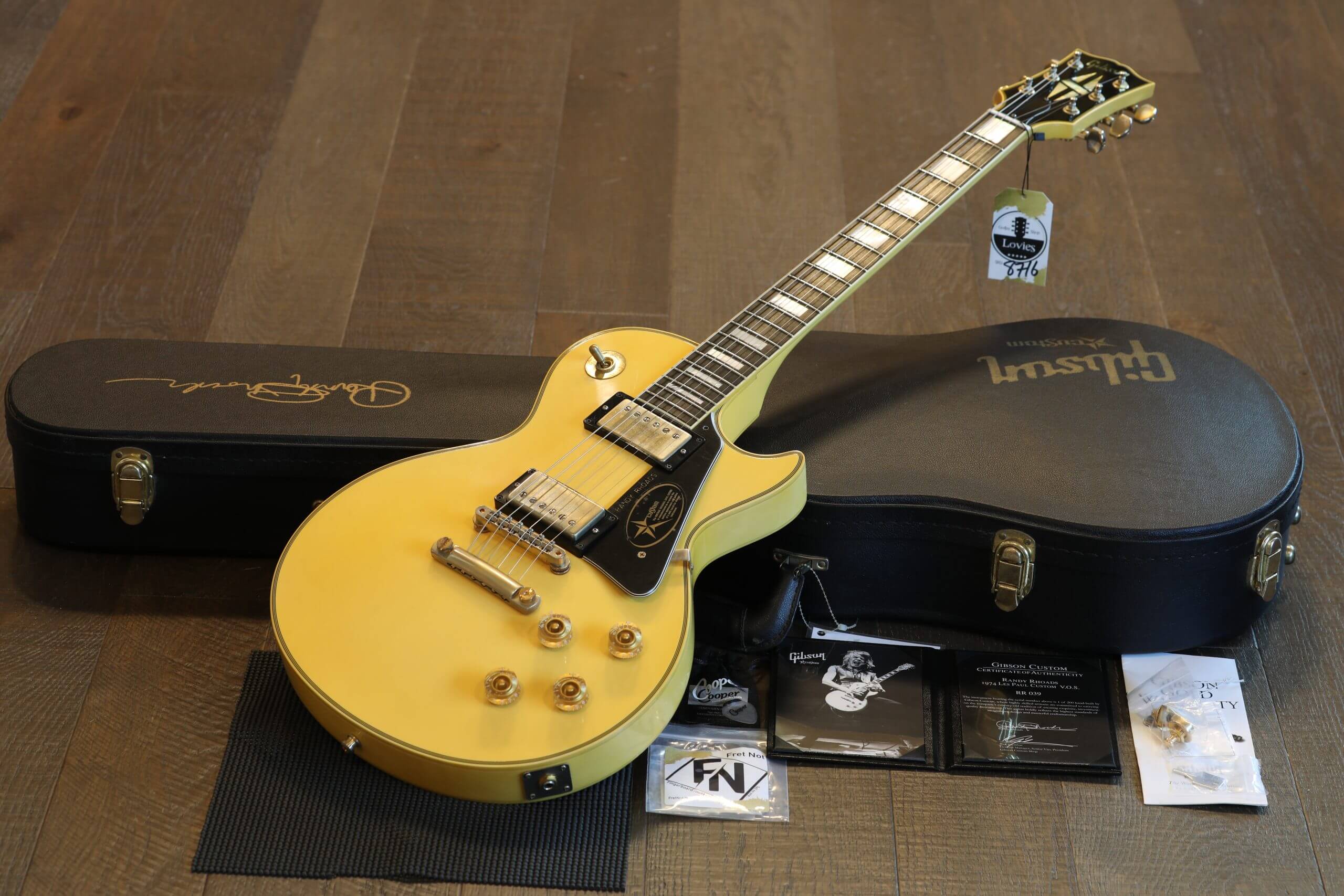
2. Randy Rhoads Les Paul Custom
Before pointy metal guitars took over the ‘80s, Randy Rhoads was shredding baroque solos on a white Les Paul Custom as Ozzy Osbourne's lead guitarist. His playing on “Crazy Train,” “Mr. Crowley,” and Blizzard of Ozz changed heavy metal guitar forever, and Rhoads proved the Les Paul could be elegant and brutal at the same time.
The Gibson Custom Shop Randy Rhoads 1974 Les Paul Custom became an instant holy grail guitar for metal fans and vintage Les Paul collectors alike. Released in extremely limited numbers, the model painstakingly recreated the aging, hardware wear, and battle scars of Rhoads’ original stage guitar.
The beauty of this artist signature Les Paul lies in its contradictions. Iconic LP Custom Ebony finish? Nope — Randy's preferred aged Alpine White. Elegant block inlays? Absolutely. But it also screams through high-gain amps with terrifying authority.
Its recreated T-top humbuckers deliver biting attack and clarity that hold together beautifully under distortion. Unlike some modern high-output pickups, these retain vintage dynamics and articulation, making fast alternate picking and Randy-inspired classical runs incredibly expressive.
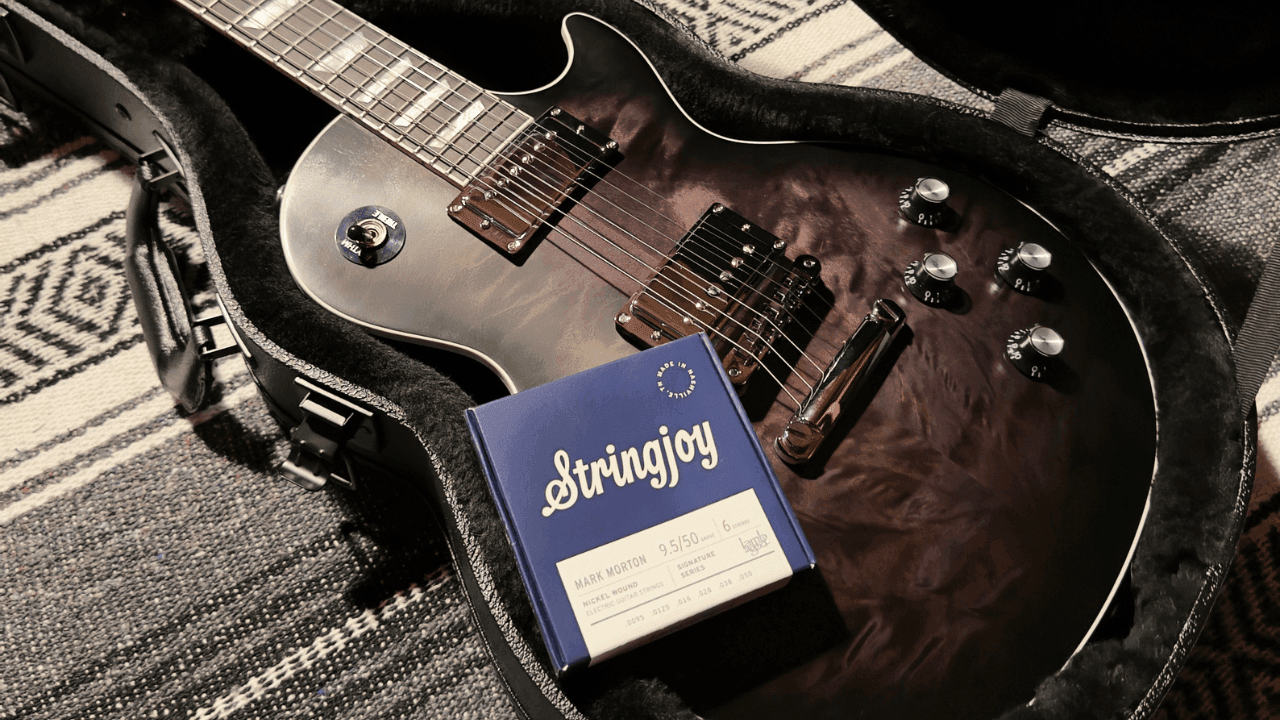
3. Mark Morton Les Paul
Mark Morton’s Modern Quilt Les Paul is one of the latest and coolest examples of Gibson evolving the formula for modern players without losing what makes the instrument iconic.
As the driving riff architect behind Lamb of God, Morton has helped define 21st-century metal guitar with crushing tracks like “Laid to Rest,” “Redneck,” and “Now You’ve Got Something to Die For.” His playing demands precision, tight low-end response, and absolute reliability under punishing gain.
The Mark Morton Les Paul Standard answers that challenge brilliantly.
Unlike many vintage-inspired Gibson artist models, Morton’s signature embraces contemporary utility. It features a gorgeous quilt top, and underneath the classic look is a highly refined performance machine. To name a few unique features:
Modern weight-relief, contoured heel, ebony fretboard with compound radius, and Mark Morton Signature humbuckers. Oh, and it comes with Mark's signature set of Stringjoys, too =]
What makes the Mark Morton signature stand out is balance. It can absolutely handle modern metal brutality, but it also cleans up beautifully for blues, hard rock, and classic riffing. It feels less like a museum piece and more like a professional weapon.
4. Jimmy Page Les Paul Number One
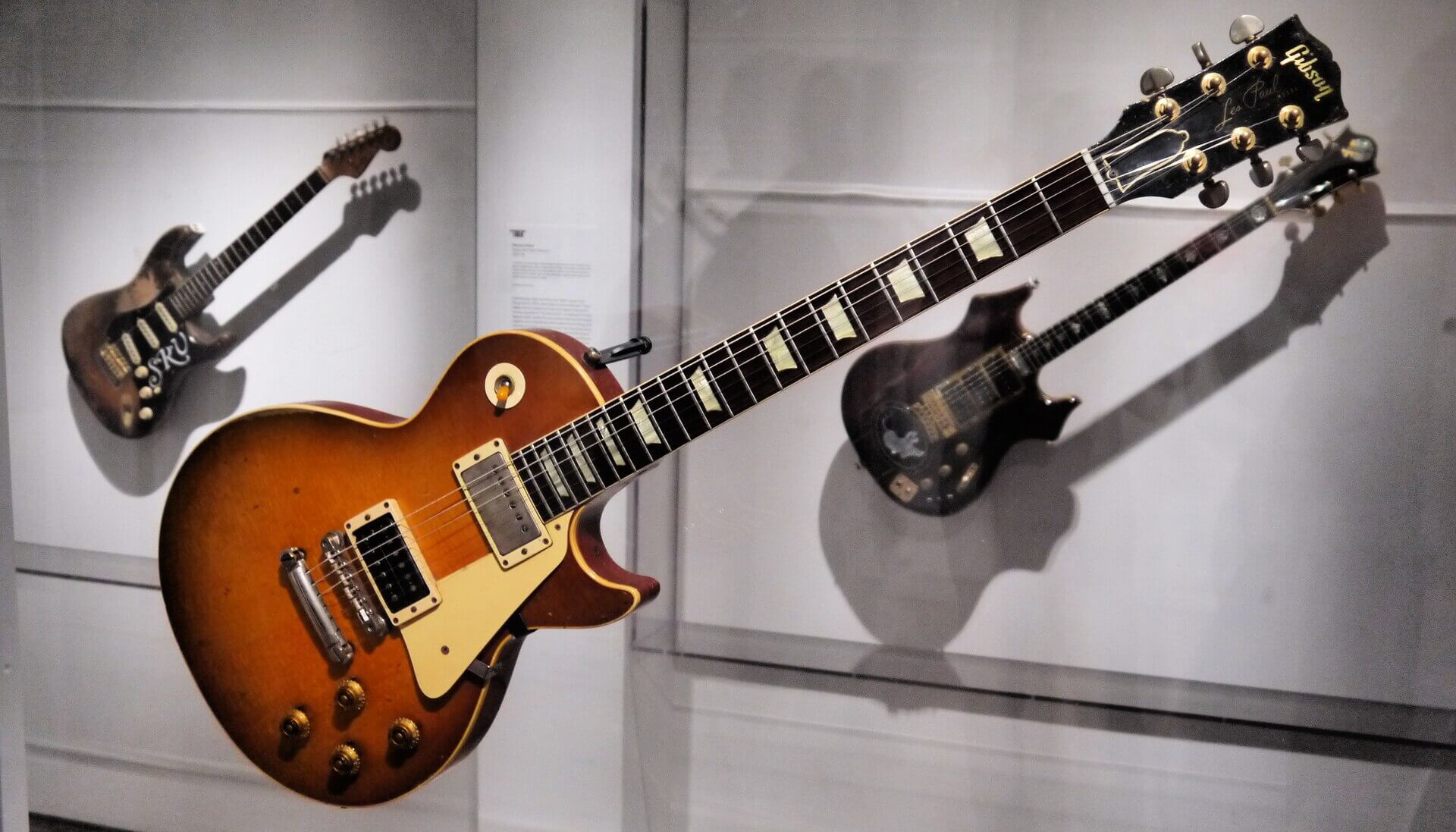
No conversation about iconic Les Paul guitars is complete without Jimmy Page’s legendary “Number One” — the heavily modified 1959 Burst that powered Led Zeppelin’s most immortal recordings.
From the explosive riffing of “Whole Lotta Love” and “Black Dog” to the dynamic live performances of “Since I’ve Been Loving You” and “Stairway to Heaven,” (when he didn't feel like lugging around his double-neck...) Page used the Les Paul as a sonic weapon capable of shifting from delicate textures to full-on rock detonation in seconds. Switching between manic attack and fluid phrasing with violin-like sustain, Page's fearless experimentation helped define the vocabulary of classic rock guitar.
Les Paul Favorites
Some of our favorite sets to pair with Les Paul models of all stripes

Stringjoy 10.5-50 Balanced Light Plus Gauge Orbiters - Coated Nickel Electric Guitar Strings

Stringjoy 10-48 Balanced Light Gauge Signatures - Nickel Wound Electric Guitar Strings

Stringjoy 9-46 Heavy Bottom Super Light Gauge Broadways - Pure Nickel Electric Guitar Strings
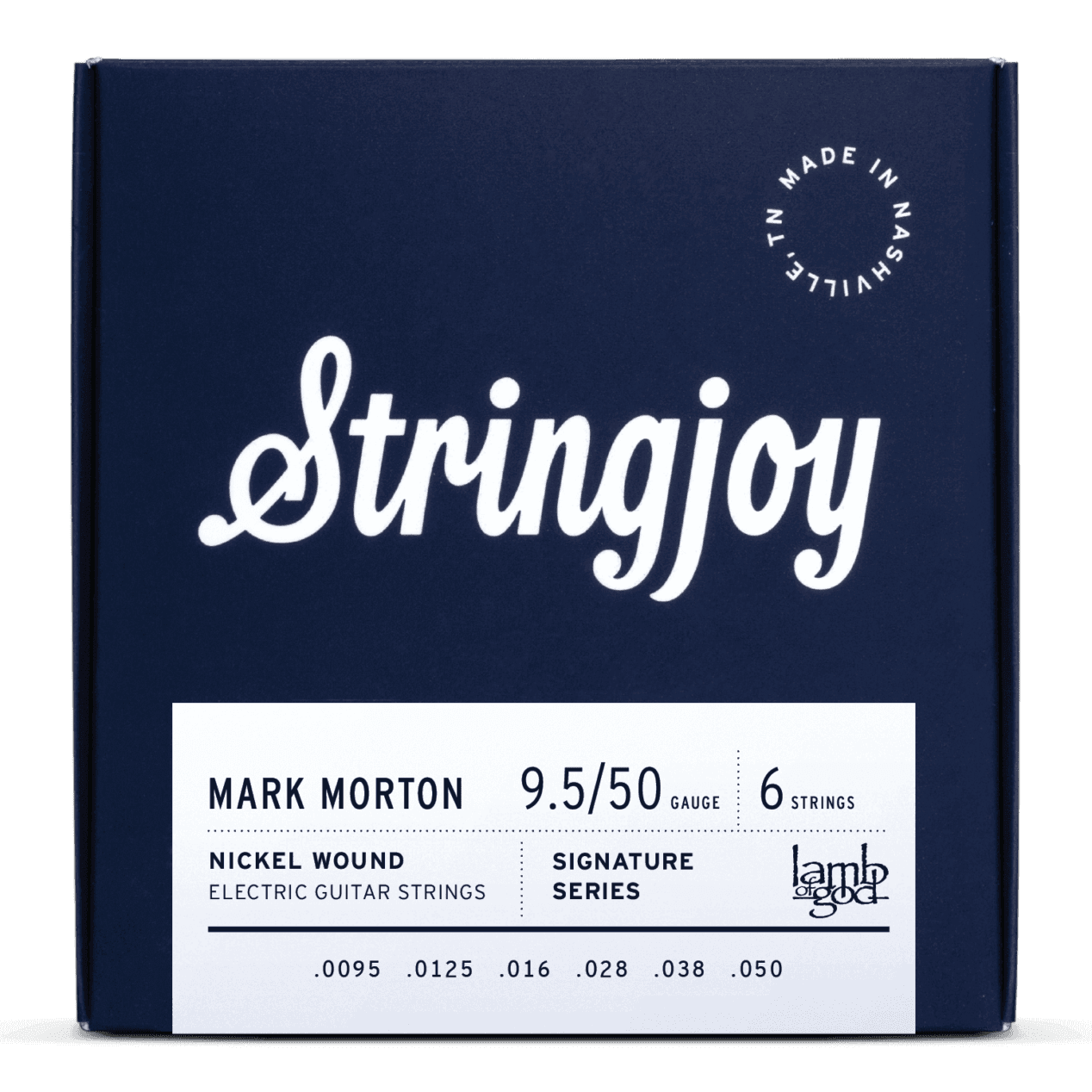
Stringjoy 9.5-50 Mark Morton Artist Series Signatures - Nickel Wound Electric Guitar Strings
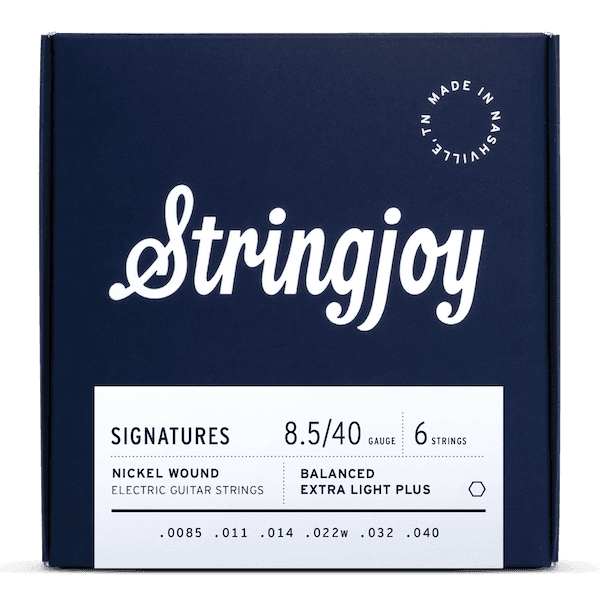
Stringjoy 8.5-40 Balanced Extra Light Plus Gauge Signatures - Nickel Wound Electric Guitar Strings

Stringjoy 11-50 Balanced Medium Gauge Orbiters - Coated Nickel Electric Guitar Strings

Stringjoy 11-48 Classic Medium Gauge Broadways - Pure Nickel Electric Guitar Strings
The Gibson Custom Shop Jimmy Page "Number One" models are remarkable recreations of the guitar's appearance and personality.
The Number One was released in a few editions, including a hyper rare signed offering (just 25 made), a Murphy Lab Aged version (150 made), and a Custom Shop VOS model.
The Murphy Lab option captures decades of wear, the Joe Walsh-shaved neck profile, and all the idiosyncrasies of Page's original guitar. A custom wiring harness replicates its famously versatile switching setup, including coil splits and phase options that dramatically expand the tonal range beyond a traditional Les Paul Standard.
While they won't run you as much as a genuine Burst, the Number Ones are now some of the rarest and priciest Les Paul models around. But make no mistake, these things are made to played.
5. Kirk Hammett Greeny Les Paul
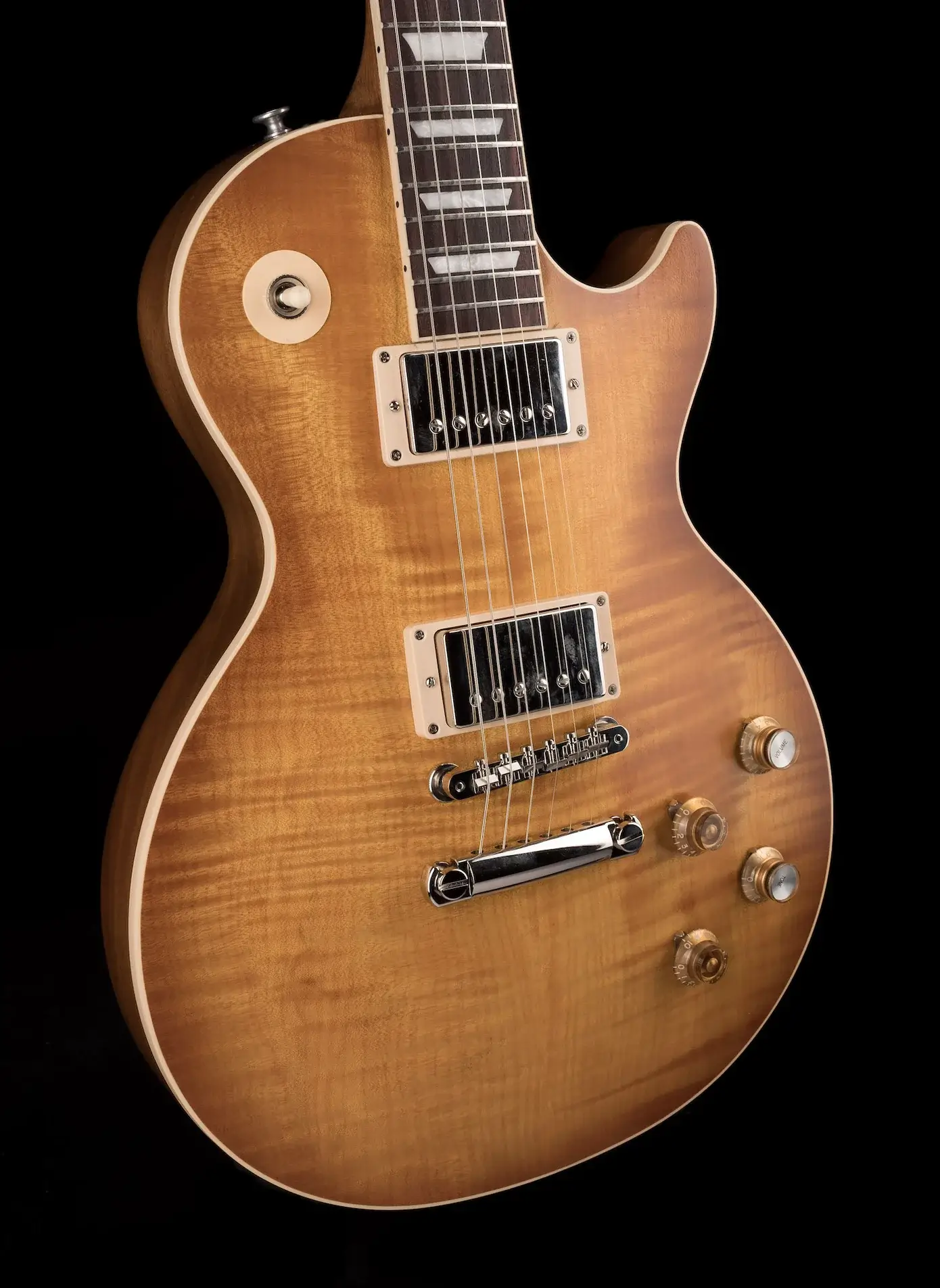
The story of “Greeny” borders on sacred guitar mythology.
Originally owned by Peter Green during Fleetwood Mac’s early blues era, the 1959 Les Paul later passed to Gary Moore before eventually finding its way to Metallica’s Kirk Hammett. Along the way, the guitar became famous for its haunting out-of-phase middle pickup sound, heard on timeless recordings like “Black Magic Woman,” “The Supernatural,” and Gary Moore’s emotionally charged live performances. Hammett has since brought Greeny into modern arenas, giving the legendary Burst a whole new chapter in front of massive metal audiences.
Available in both the standard Gibson and Epiphone lineups as well as a suuuper valuable Custom Shop edition, the Kirk Hammett “Greeny” Les Paul meticulously recreates the instrument’s unmistakable tonal character and, in the case of the CS version, road-worn vibe.
Most notably, it maintains the reversed magnetic pickup configuration that produces the aforementioned nasal, vocal-like out-of-phase tone that instantly separates it from other vintage Les Paul guitars.
For the limited edition model, Murphy Lab aging work captures every scar, finish check, and worn contour accumulated over decades of touring and recording. While many collectible Gibson guitars focus on pristine perfection, Greeny embraces imperfection as part of its magic. It’s quirky, deeply expressive, and sonically unlike almost anything else in the Gibson lineup. Truly a one-of-one personality turned into an extraordinary artist signature model.
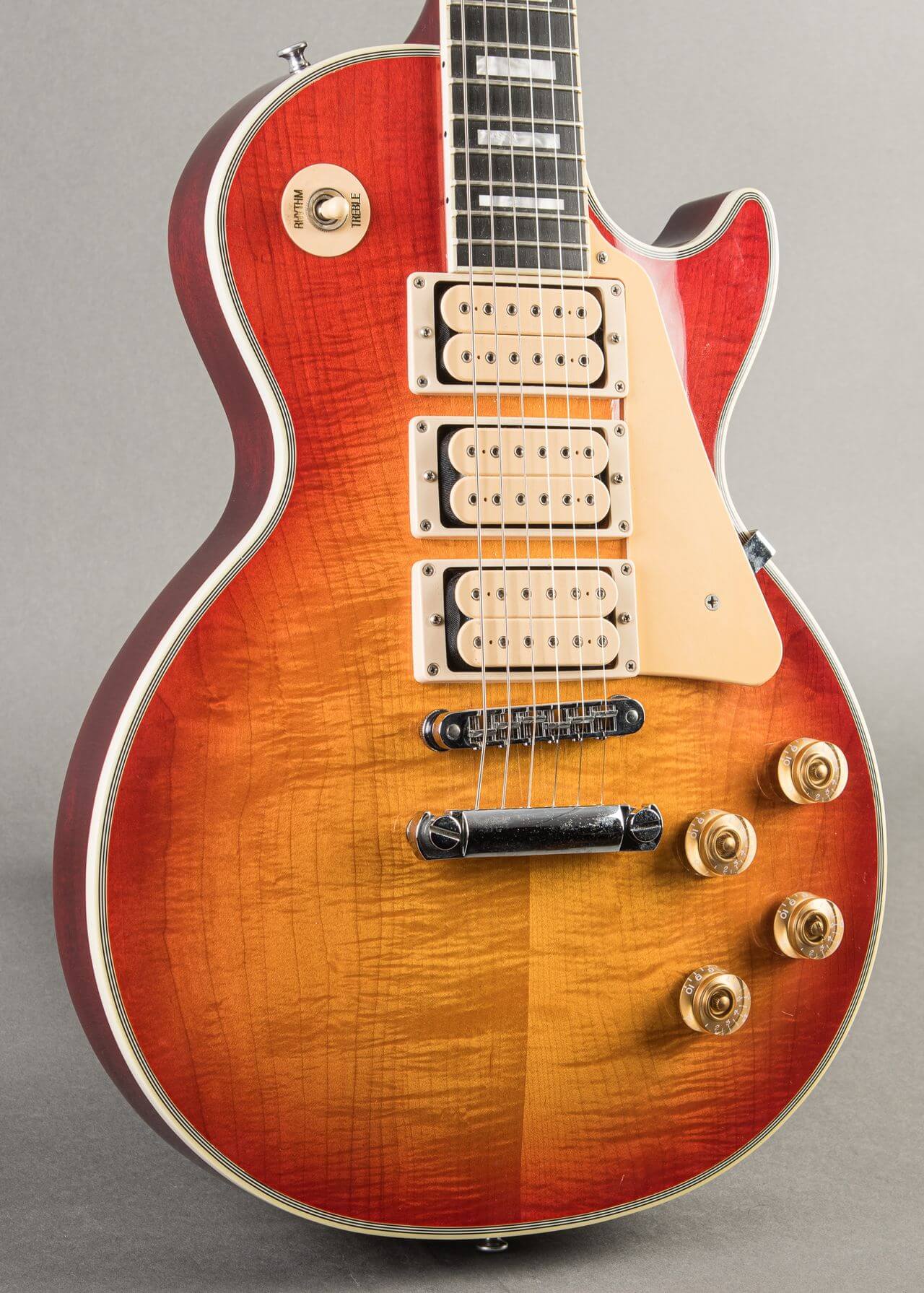
6. Ace Frehley Budokan Les Paul Custom
Few players made the Les Paul Custom look cooler than Ace Frehley during KISS’s explosive rise in the 1970s.
The triple-humbucker sunburst Les Paul he wielded during the legendary Alive! era became one of rock’s most recognizable guitars.
The Ace Frehley Budokan Les Paul Custom paid tribute to the guitar used during KISS’s 1977 performances in Japan and quickly became one of the most prized Gibson artist signature releases ever produced.
Like the man who wielded it, this guitar ain't subtle. It's pure arena-rock excess in the best possible way.
Three DiMarzio humbuckers, including a Super Distortion in the bridge position, deliver massive output and sustain, while period-correct cosmetics capture every bit of vintage swagger. The aged finish, oversized headstock details, and custom appointments transform the guitar into a full-on rock artifact.
But beyond the spectacle, the Budokan model remains surprisingly musical. The pickup combinations create huge tonal variety, and its Les Paul Custom construction gives the guitar remarkable sustain and authority.
Pure Artistry
The greatest artist signature Les Paul guitars succeed because they capture personality as much as specs. These instruments aren’t just collections of pickups, hardware, and finishes. They’re extensions of musical identities tied to unforgettable recordings and performances.
The best part is they all manage to capture the core magic of the Les Paul and the personality of the players who made them famous.
Perhaps that’s the magic of the Les Paul signature guitar legacy. The formula never stops evolving, but somehow, every great version still feels unmistakably like a Les Paul.
Other Posts you may like


Guitar Strings Order: How the Guitar is Tuned and Why

Two Handed Tapping: Our Top 8 Tappers of All Time
Which Guitar Strings Wear Your Fret Wire Down More?
What is Nashville Tuning? Its History, Best Guitar Strings & Uses
Guitar Scale Length Explained: String Tension & Playability
What Guitar Strings I Used To Play...
0 Responses
Leave a Reply
Your email address will not be published. Required fields are marked *


