Baby, It's Cold Outside: How to Winterize Your Guitar


Winter can be brutal on guitars.
Cold temperatures, dry indoor air, and sudden humidity swings put serious stress on wooden instruments. Without proper winter guitar care, even the most well made guitars can develop cracks, fret sprout, finish crazing, tuning instability, and potentially long-term structural damage.
Whether you play an acoustic guitar, a solid-body electric, or a hollow or semi-hollow guitar, winter maintenance is essential for keeping your instrument safe, playable, and sounding its best.
Fortunately, protecting your guitar during cold weather is easier than most players think. Here's a quick rundown of the biggest risks for guitars in the cold weather months, and the best winter guitar care tips to help you avoid them.

The Risks of Cold Weather and Dry Air on Guitars
The biggest winter threat to guitars isn’t actually cold—it’s low humidity. Apart from dry, frigid air, when indoor heating systems run relative humidity can easily drop below 30% – well under the 40-50% safe range for guitars.
Common humidity-related winter guitar problems include:
- Cracked acoustic guitar tops and backs
- Fret sprout from fingerboard shrinkage
- Neck movement and truss rod changes
- Finish checking from temperature shock
- Tuning instability and dull tone
Ignoring these issues can lead to costly repairs, so consistent humidity control is the key to preventing winter guitar damage.

Winter Guitar Care Tips for Acoustic Guitars
Acoustic guitars are especially vulnerable during winter because the thin, resonant wood they're built from is that much more susceptible to environmental changes. That means with an acoustic guitar, you're not just worried about setup issues - you're worried about potentially disastrous cracks.
Maintain Safe Humidity Levels
The best thing you can do for your acoustic guitars in the winter is maintaining ideal humidity – somewhere between 40–50% relative humidity. Is the air in your home dry? You can check using a hygrometer – or simply noting whether you're experiencing symptoms of dryness!
If the answer is yes, it's dry, consider a room humidifier for the area(s) in which your guitars reside. There are also plenty of guitar-specific humidification devices that can be placed directly inside your guitars' case for targeted protection.
We highly recommend getting a hygrometer or three to monitor the humidity situation in your guitar space or guitar case. They're cheap and will provide immediate feedback on whether the environment is safe for your guitars.
Store Your Acoustic Guitar in Its Case
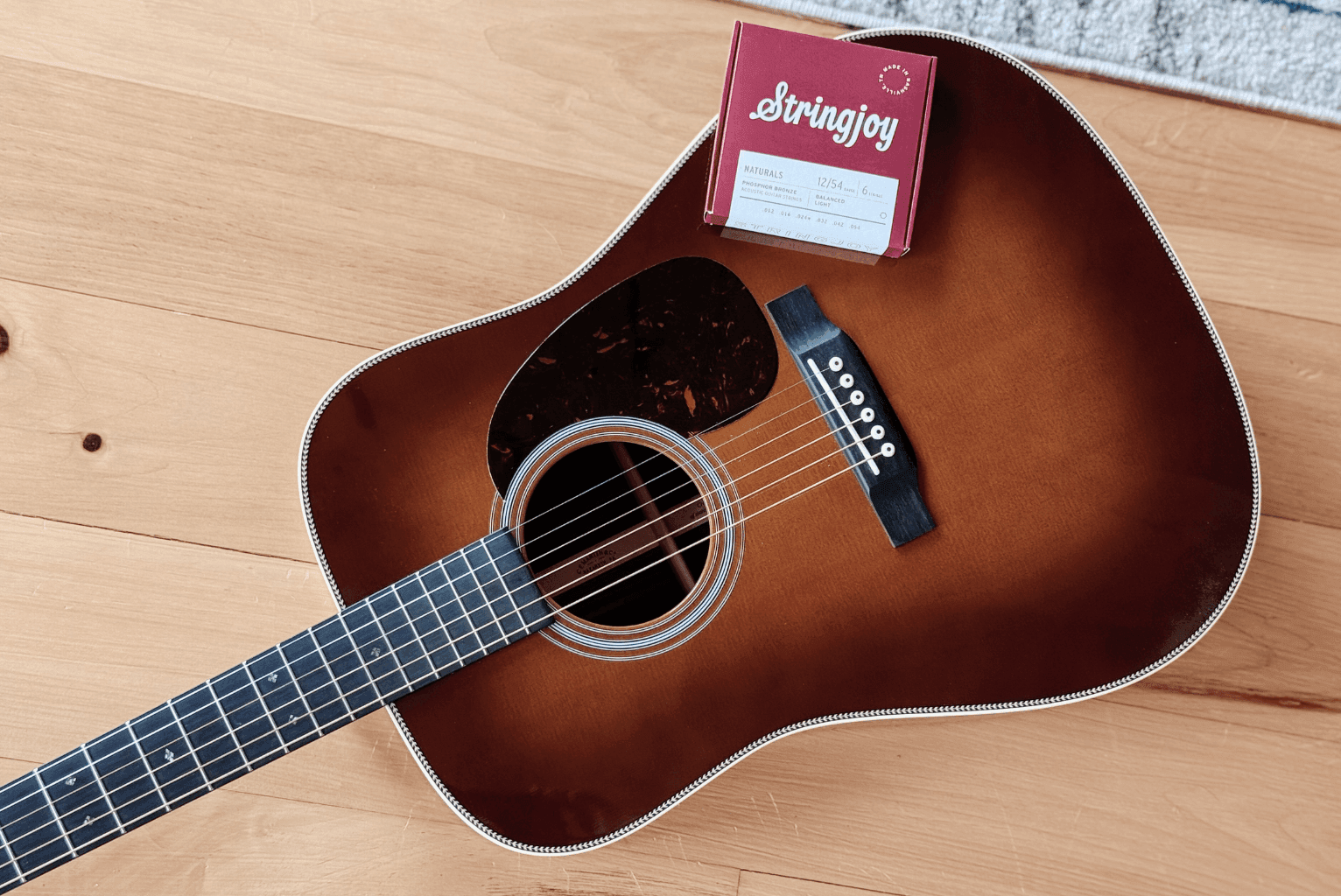
A hard case offers the best defense against temperature swings and dry air. Leaving an acoustic guitar exposed on a stand or hanger in winter significantly increases the risk of cracking. Paired with an aforementioned in-case humidification system, the case-storage method all but guarantees that your guitar will stay happy and healthy throughout the winter months.
Avoid Sudden Temperature Swings
After traveling in cold weather, let your guitar sit in its closed case for 30–60 minutes before opening it. This acclimation period will help to prevent finish checking and glue stress caused by rapid temperature shifts.
Keep an Eye on the Neck & Action
Winter dryness can alter neck relief. If you notice your guitar buzzing or higher action than usual, minor seasonal adjustments are normal—but extreme changes should be addressed by a an experienced tech.
For Visual Learners
In this video, our pals Ryan and Wyatt get into the nitty gritty of acoustic guitar humidification and some of the tips and tricks to make sure your humidifiers keep on hummin'.
Winter Guitar Care Tips for Electric Guitars
While solid-body electric guitars are more resilient, they still require winter care—especially hollow and semi-hollow models, which share traits with their fully acoustic cousins.
Control Humidity for Neck Health
Solid bodied guitars are unlikely to develop structural cracks due to dry air, but electric guitar necks and fingerboards are still prone to the affects of low humidity. A common symptom is "fret sprout." When dry conditions cause the wood of your fretboard to contract, your hand will notice the poky sensation of protruding fret ends.
Your electric guitar's neck can also experience shifts in its action and playability stemming from dry air that can cause changes in neck relief. Dry wood can lead to back bow, which may cause fret buzzing - or up-bow, which can lead to high action and uncomfortable playing, bad intonation, and poor tone.
The above issues can usually be addressed with a proper setup and adjustments to your guitar's truss-rod, but if you maintain 40-50% relative humidity for your guitars, you may not have to deal with any problems to begin with!

Treat Hollow & Semi-Hollow Guitars Like Acoustics
If your electric guitar has an f-hole, it’s far more sensitive to humidity changes. As with the acoustic tips listed above, case storage and humidification are strongly recommended.
Keep Guitars Away From Heat Sources
The closer your guitar is to hot zones, the more likely it is to experience the negative effects listed above.
Avoid placing guitars near radiators, heating vents, fireplaces, or space heaters. Direct heat dries wood unevenly and can damage finishes and glue joints.
Avoid Temperature Swings that Could Affect Finish
Nitrocellulose finishes are particularly susceptible to cracks, crazing, and potentially even flaking if they are exposed to wild swings in temperature. If you're trying to avoid a prematurely relic'ed finish, don't zip your guitar from cold to hot too quickly!
Let Cold Guitars Warm Up Before Playing
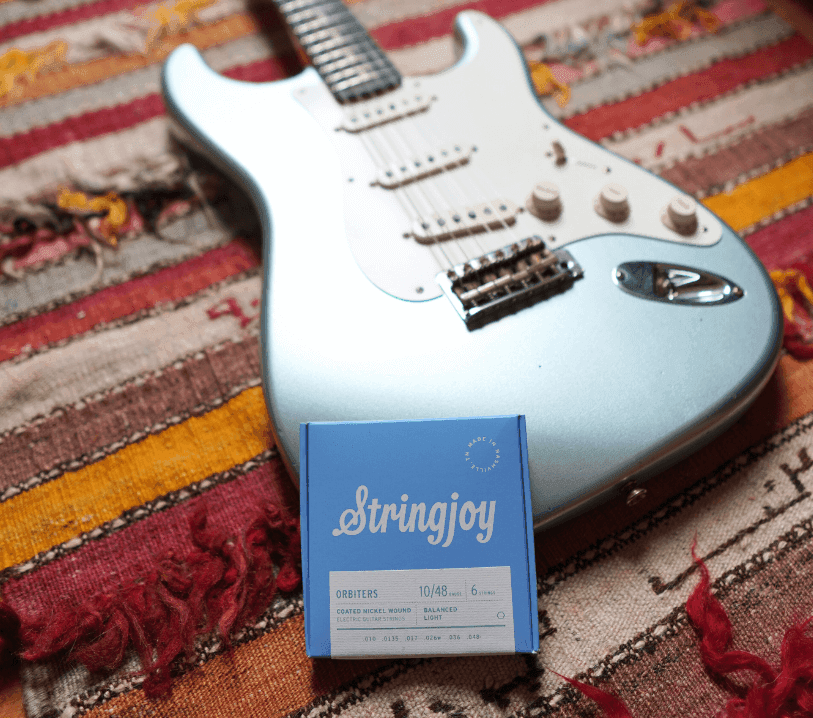
Your hands aren't the only thing that need time to warm up... strings and metal hardware need time to stabilize after being exposed to the cold. Allow your guitar to reach room temperature before tuning and playing for better tuning stability and tone.
Let New Acquisitions Acclimate
Delivery-person just drop off your most recent purchase? Congrats on your NGD!
We know it's hard to be patient - but, if you live in a cold/dry area, it's always a good idea to allow your new guitar overnight to acclimate before you tear it out of its box/packing material. This will help to ensure you don't experience cracks or crazing due to extreme shifts in temperature – particularly important for guitars with a nitrocellulose finish!
Conclusion: Consistent Winter Guitar Care Pays Off
Winter guitar care doesn’t necessarily require expensive tools or constant attention. Awareness and consistency can safeguard your guitars all season long and stave off disaster.
Maintaining proper humidity, storing guitars safely, and avoiding temperature shock will protect your instrument from damage and keep it sounding great.
A well-cared-for guitar plays better, sounds better, and lasts longer. And after all, winter, with its cozy indoor hours, is actually one of the best seasons to spend quality time with your guitar.
So don't hibernate on keeping your guitar safe during the cold months. Your axe, your fingers, and your ears will thank you.
Cooler than Cool
Stringjoy Strings & Kit to Help Get You Through the Cold Months

Stringjoy Pom Beanie

Stringjoy 9.5-46 Balanced Super Light Plus Gauge Orbiters - Coated Nickel Electric Guitar Strings

Stringjoy 10-48 Balanced Light Gauge Signatures - Nickel Wound Electric Guitar Strings

Stringjoy Limited Edition Boxy T-Shirt
Stringjoy Pelham Seatbelt Guitar Strap

Stringjoy 11-52 Super Light Gauge Foxwoods - Coated Phosphor Bronze Acoustic Guitar Strings

Stringjoy 2.0mm Dagger Acrylic Picks - 2 Pack

Stringjoy Play Your Way T-Shirt

Stringjoy 9.5-44 Soft Touch Signatures - Nickel Wound Electric Guitar Strings
Other Posts you may like


Guitar Strings Order: How the Guitar is Tuned and Why

Two Handed Tapping: Our Top 8 Tappers of All Time

Which Guitar Strings Wear Your Fret Wire Down More?
What is Nashville Tuning? Its History, Best Guitar Strings & Uses

Guitar Scale Length Explained: String Tension & Playability

What Guitar Strings I Used To Play...
0 Responses
Leave a Reply
Your email address will not be published. Required fields are marked *

