Lap Steel Guitar: A Short History of Long Slides

If you’ve ever heard a guitar note melt into the next one, you’ve probably already met the lap steel guitar.
It’s the instrument behind Hawaiian swoons, Western swing sass, country heartbreak, and a surprising amount of classic rock “wait… what is that sound?” moments.
Let’s hop on the glide path: Where did the lap steel come from? How's it played? What's the deal with C6 tuning? And what is the legacy of this small but mighty instrument?
Where It Began: Hawaii, Late 1800s, One Happy Accident
The lap steel’s origin story is famously tied to Joseph Kekuku, a Hawaiian teenager credited with inventing the steel guitar technique in the late 1880s.
The core idea: instead of fretting strings with fingertips, you slide a piece of metal (a “steel”) across the strings to change pitch—creating those smooth, vocal-like transitions.
That technique took off in Hawaiʻi and then caught a massive wave into mainland U.S. culture in the early 20th century—helped along by touring ensembles, recordings, and America’s growing fascination with Hawaiian music. Hawaiian steel guitar became wildly popular in the U.S., influencing multiple genres.
What it’s derived from
The lap steel style is rooted in:
- Spanish guitar (standard fretted guitar played “normally”), but turned horizontal
- Earlier slide traditions (using objects to change pitch) applied systematically with a bar
- Later, the concept expanded into console steels (multi-neck), and eventually the pedal steel, which adds mechanical pitch changes
Think of lap steel as the blueprint for all steel guitar: pure bar control, pure intonation, pure tone.
From Acoustic to Electric: How Lap Steel Helped Invent the Electric Guitar
The lap steel didn’t ride the electric guitar revolution—it helped kickstart it.
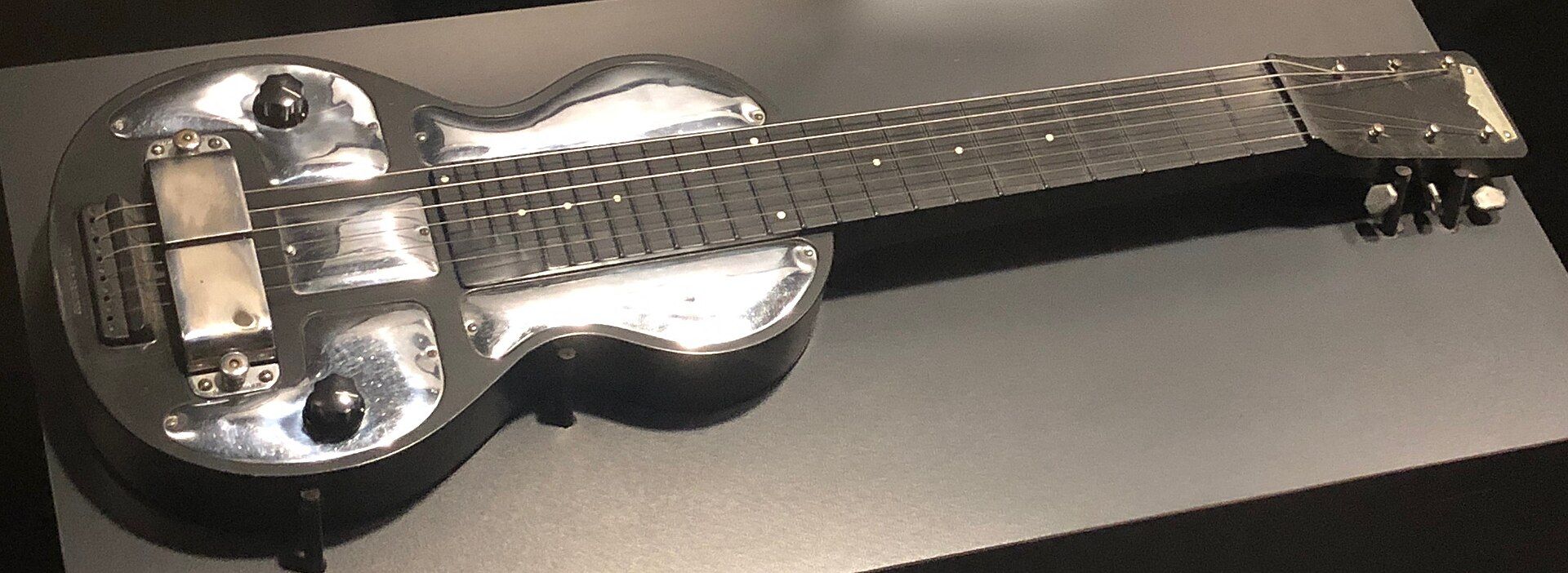
In the early 1930s, manufacturers began electrifying lap steels so they could compete in louder bands. The Rickenbacker “Frying Pan” (Electro A-22)—developed in the 1930s—is widely recognized as the first electric lap steel and one of the first commercially successful electric guitars, period.
Some of the earliest Fender Esquires – the first mass produced solid-body guitars – featured a single pickup repurposed from the Fender Champion Lap Steel. The style and tone of that pickup would go on to inspire countless electric guitars.
So yes: the electric guitar’s family tree has “lap steel” written in big, shiny letters.
Construction: The Fretless Wonder
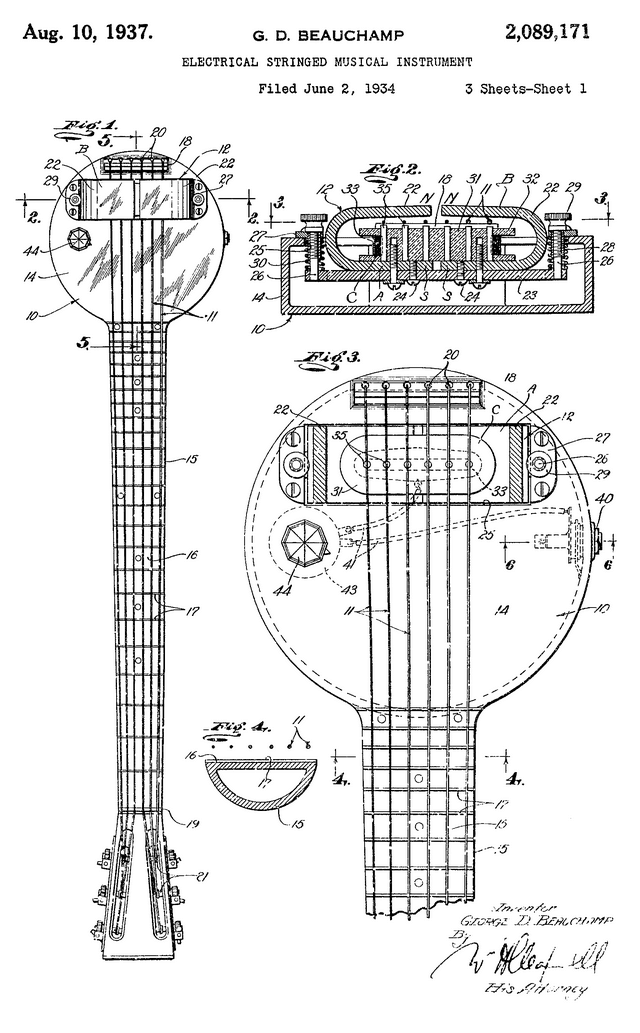
A typical lap steel is identifiable via the following features:
- A solid body (often mahogany, maple, etc.)
- Six strings (though 8-string models are common too)
- A raised nut so strings sit high off the fretboard
- A bridge and pickup(s) like an electric guitar
- A fretboard with position markers (because you’re not pressing to frets; you’re aiming at them)
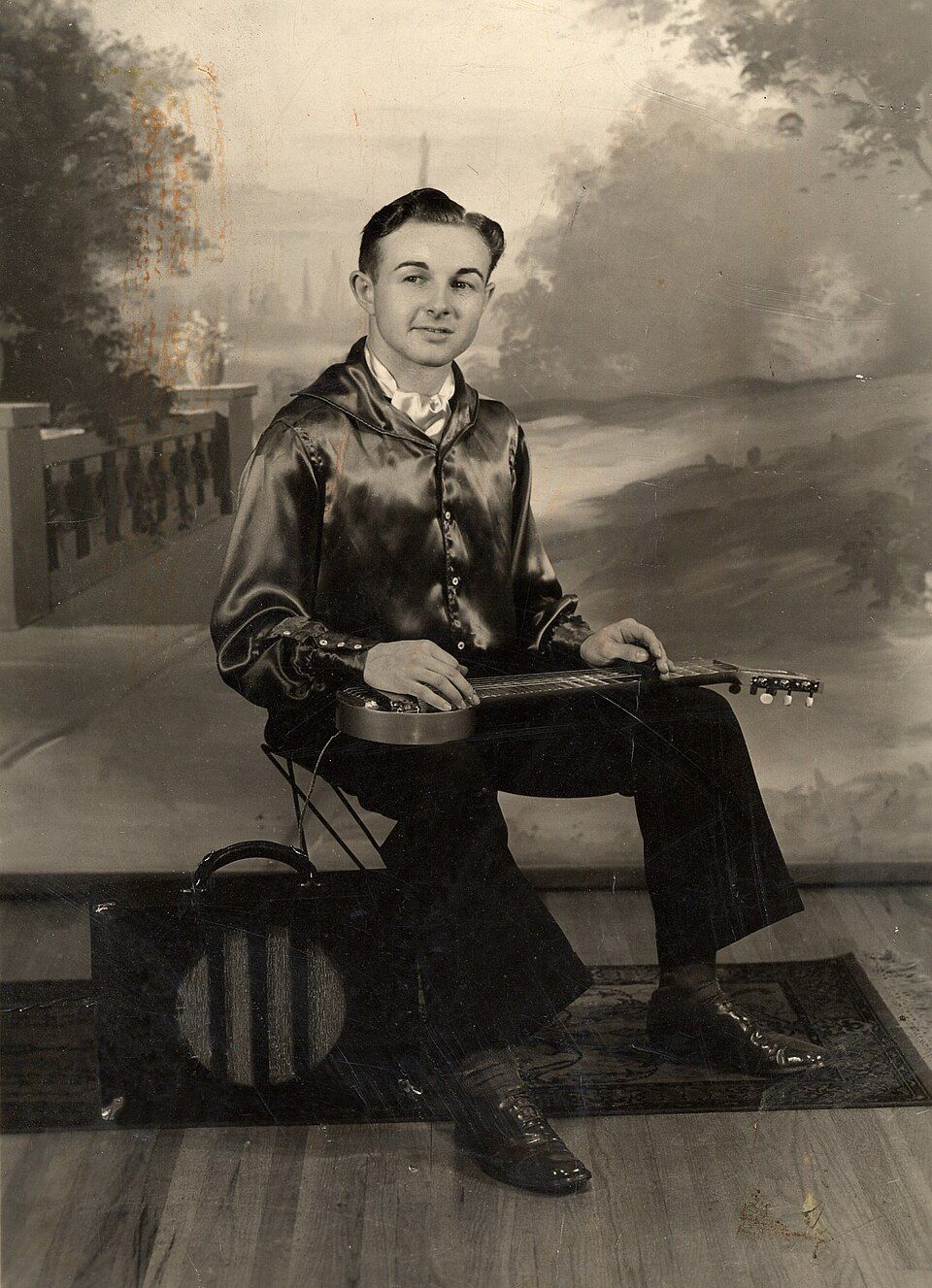
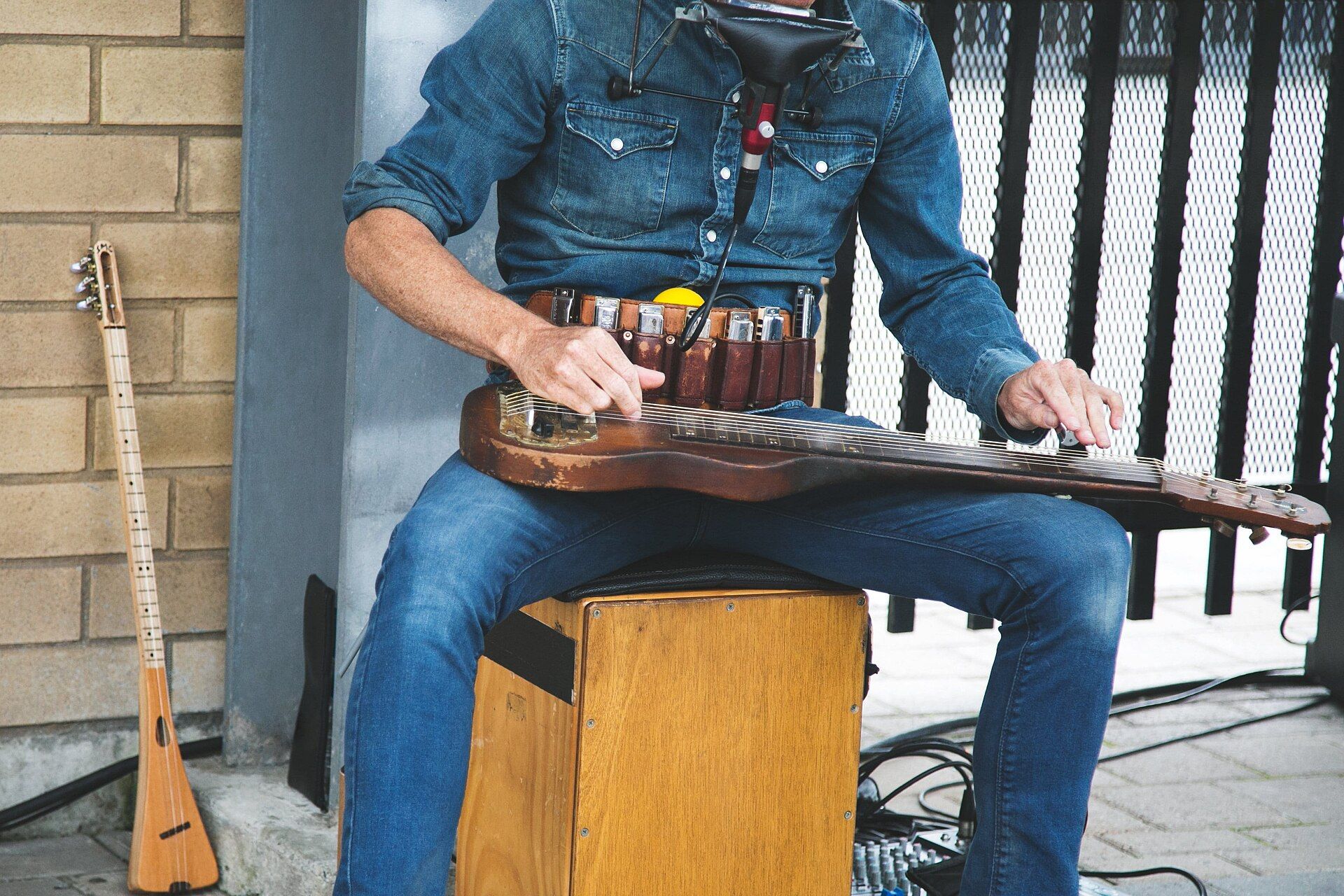
Unlike standard guitars, lap steels are designed to be played flat—on your lap, a stand, or legs/console setup.
How It’s Played: Bar, Picks, Vibrato, and Your Ears
Lap steel technique is simple to describe and hard to fake:
- You hold a steel bar (tone bar) in your left hand and slide it to exact pitch
- Your right hand plucks using fingerpicks and/or thumbpick
- You add expression with vibrato, slants (angling the bar for intervals), and muting
- You often use a volume pedal for those “string section arriving by fog” swells
The “secret sauce” is intonation—you are the fret.
C6 Tuning: The Lap Steel’s Swiss Army Knife
If there’s a “default” lap steel tuning, it’s C6—especially for Hawaiian and Western swing styles. On a 6-string lap steel, a common C6 layout (low to high) is:
C – E – G – A – C – E
Why does it work?
Those notes spell a C6 chord right out of the box: C (root), E (3rd), G (5th), A (6th). Strum open = instant harmony.
And musically, the 6th (A) is the magic ingredient:
- It gives you sweet major sounds
- It easily implies relative minor flavors (A minor vibes)
- It supports rich jazzy swing chords without needing pedals
In other words: C6 is friendly, flexible, and quietly sophisticated—like a bartender who also knows trigonometry.
The Builders: Who Made Lap Steel Famous (and Available)
Early icons and big names
- Rickenbacker / Electro String: pioneers of electric lap steel; the “Frying Pan” is the headline act.
- Kiesel: Certainly not associated with lap steel in today's day and age, but founder Lowell Kiesel was an early proponent (and professional player) of lap steels.
- Gibson: built multiple lap steels post-war; models like the BR series are classic mid-century examples (e.g., BR-9 circa late 1940s).
- Fender: early on, lap steels helped keep the lights on while the solid-body revolution brewed; instruments like the Champion became part of that story.
- National / Supro / Valco: mid-century lap steels with distinctive pickups and tone; many are cult favorites today.
There’s also a strong modern maker scene (inspired by vintage designs), with builders keeping lap steel alive for new generations—especially as the instrument resurged in indie, ambient, and roots music.
Where It Hit: Cultural Impact and Genre Takeovers
Lap steel’s cultural map looks like this:
- Hawaiʻi → Mainland U.S.: early 20th-century craze, recordings, touring ensembles, and lasting influence.
- Western Swing & Texas dance halls: C6 became a workhorse for swing harmony
- Nashville & country music: lap and pedal steel shaped the genre’s emotional vocabulary (that “crying guitar” thing? yep)
- Rock, pop, and soundtrack worlds: lap steel pops up whenever a producer needs “instant atmosphere”
It’s one of the few instruments that can sound like: sunshine, loneliness, a memory, and a UFO landing… depending on your right hand.
Three Notable Lap Steel Masters
Jerry Byrd
A towering figure in both country and Hawaiian music, Jerry Byrd helped define the lap steel’s tone and touch across decades, including major professional work in Nashville and later deep association with Hawaiʻi.
David Lindley
If lap steel had a “wizard” category, Lindley would be a featured listing. He brought lap steel into rock contexts with unmatched musicality and color, and he’s widely celebrated for mastery of the instrument.
Special shout-out to Ben Harper, who has played a major role in bringing the lap steel guitar into modern popular music. Harper’s lap steel work blends blues, folk, gospel, and rock, giving his songs a raw, vocal quality that feels both intimate and powerful. Tracks like “Burn One Down” and “Walk Away” showcase how he uses the instrument for weight rather than flash, letting long slides and subtle vibrato do the heavy lifting. For many contemporary listeners, Harper was their first introduction to the lap steel—and proof that it still belongs on modern stages.
Buying a Lap Steel Today: Great Options at Real-World Prices
A few current, easy-to-find models worth checking out:
Rogue RLS-1 (budget starter)
- Why: super accessible entry point; often sold as a pack with stand/gig bag
- Typical price: around $150 street price
Gretsch G5700 Electromatic (solid midrange classic vibe)
- Features: solid mahogany body, single-coil pickup, vintage styling
- Typical price: around $350
Lap Steel & the Like
The Stringjoy Lap Steel set fits right into our lineup of essential strings.
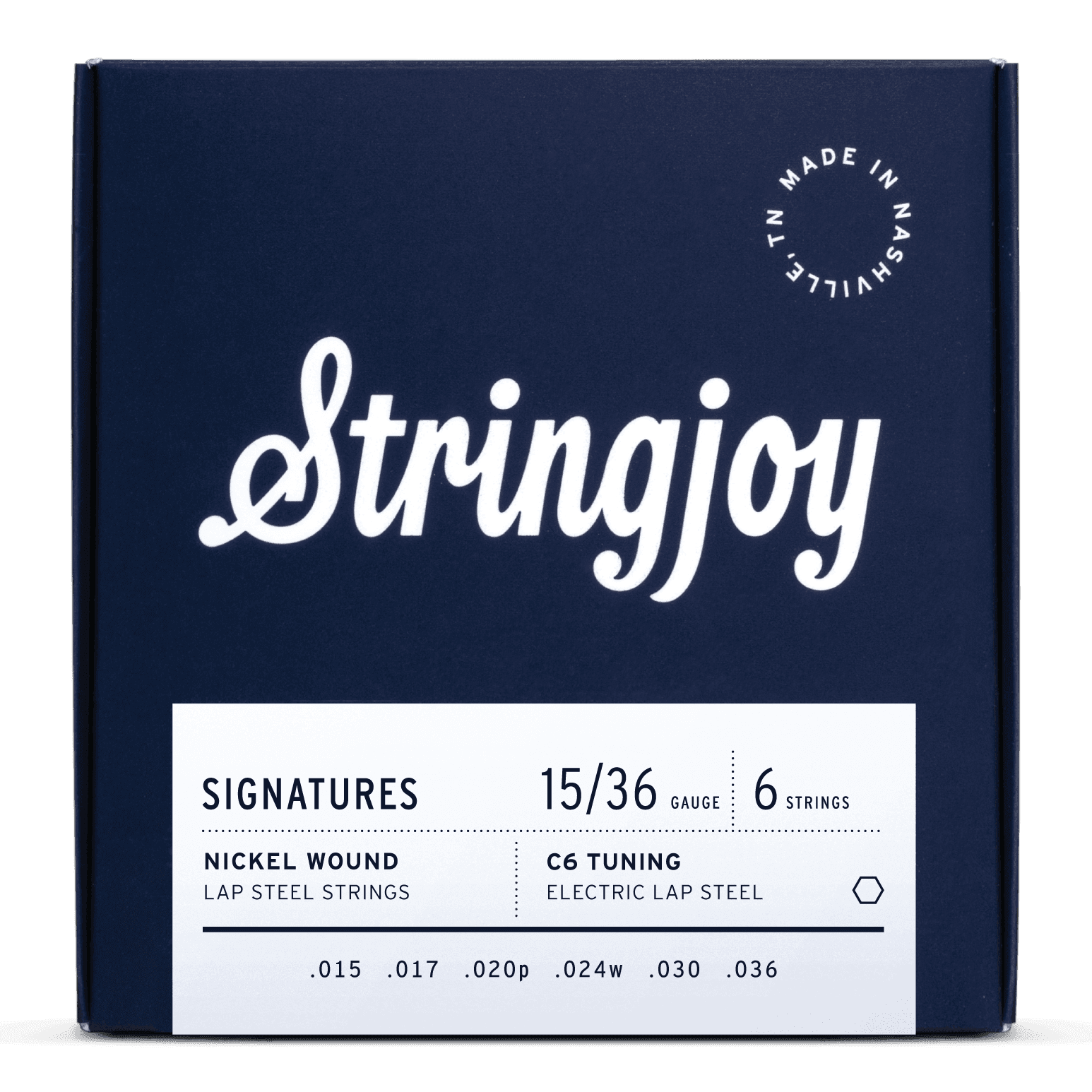
Stringjoy 15-36 C6th Signatures - Nickel Wound Lap Steel Strings
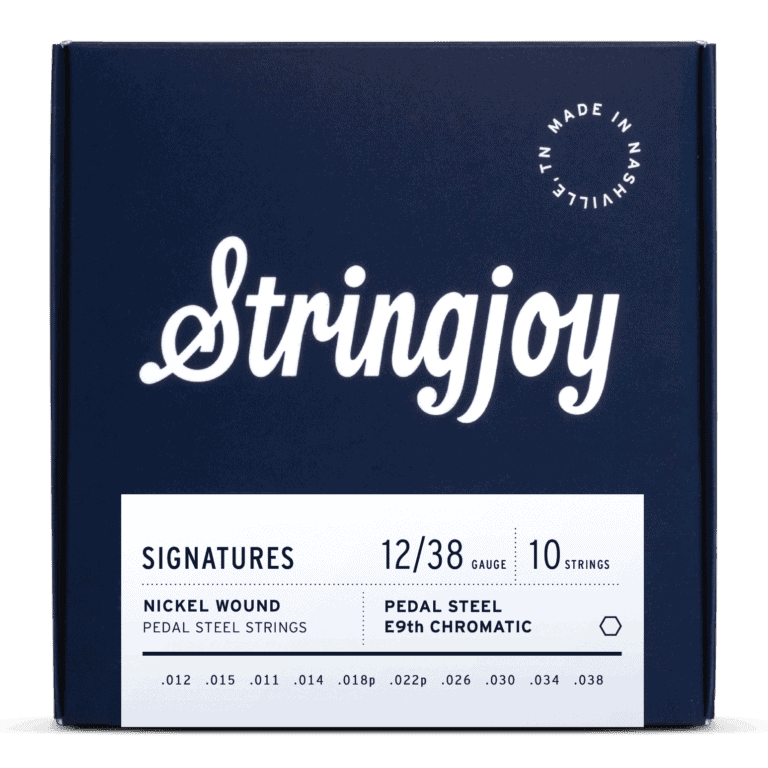
Stringjoy 12-38 E9th Signatures - Nickel Wound Pedal Steel Strings

Stringjoy 17-68 C6th Signatures - Nickel Wound Pedal Steel Strings

Stringjoy 11-52 Super Light Gauge Naturals - Phosphor Bronze Acoustic Guitar Strings

Stringjoy 9.5-46 Balanced Super Light Plus Gauge Orbiters - Coated Nickel Electric Guitar Strings
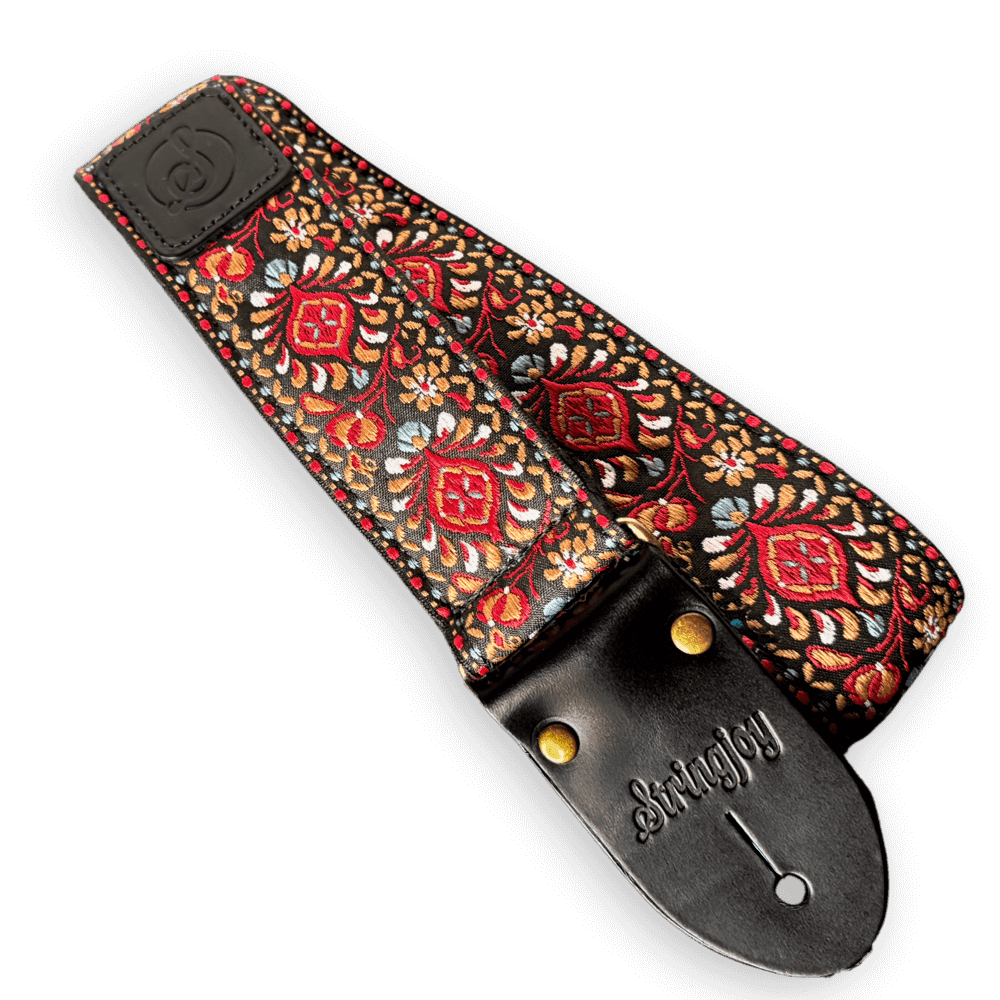
Stringjoy Rosetta Vintage Woven Guitar Strap
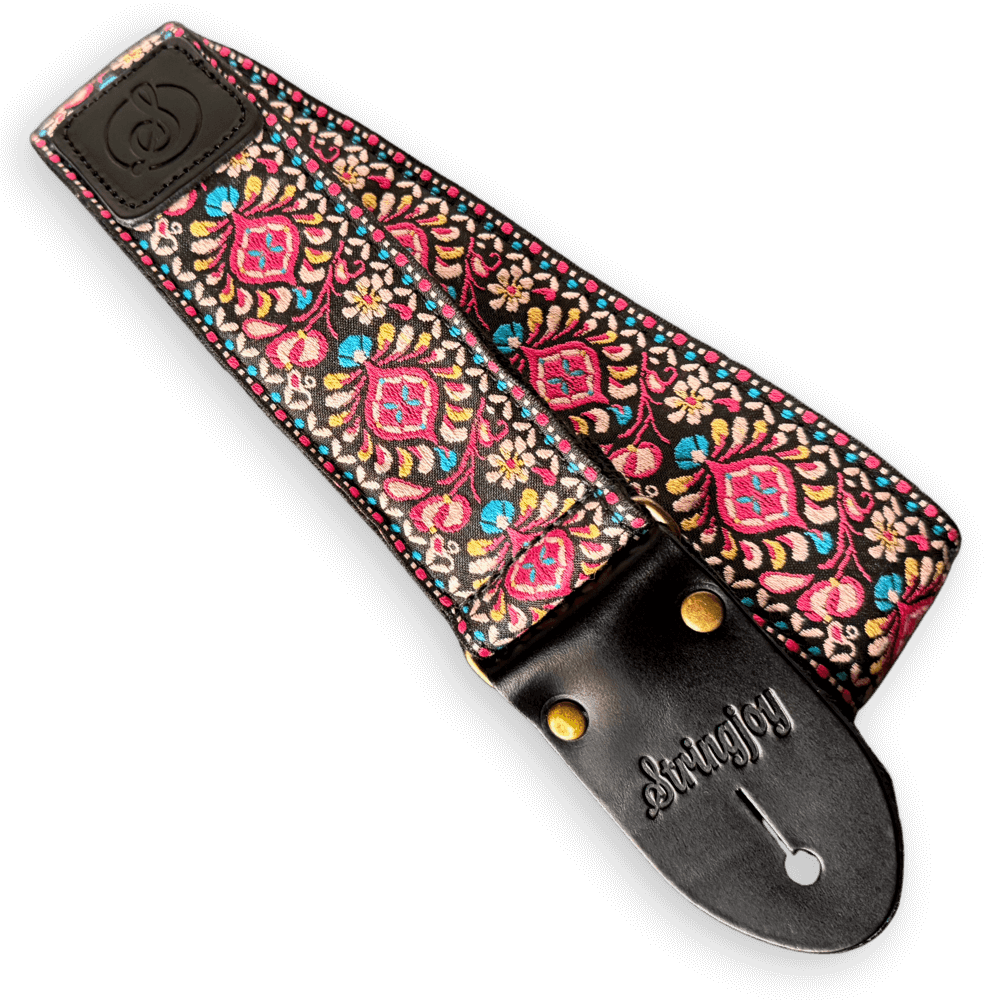
Stringjoy Perkins Vintage Woven Guitar Strap
Recording King RG-32-SN (P-90 flavor on a budget)
- Features: mahogany body, P-90 pickup for thicker bite; beginner-friendly design
- Typical price: commonly listed around the low-to-mid $300s (varies by retailer/condition)
Gold Tone LS-6 (step-up with vintage inspiration)
- Features: designed to evoke revered 1950s Oahu-style lap steels; includes case; ships set up for open D but handles other tunings with proper strings
- Typical price: around $800–$850 new
The lap steel guitar is proof that you don’t need a thousand notes—or even frets—to make a huge emotional statement.
From its Hawaiian beginnings and early electric breakthroughs to its lasting role in swing, country, rock, and film music, it remains one of the most instantly recognizable (and oddly addictive) sounds in the guitar universe.
If you’re curious, grab an affordable model, tune up to C6, and give yourself permission to sound a little bit like a sunset—because that’s basically the job description.
Other Posts you may like


Guitar Strings Order: How the Guitar is Tuned and Why

Two Handed Tapping: Our Top 8 Tappers of All Time
Which Guitar Strings Wear Your Fret Wire Down More?
What is Nashville Tuning? Its History, Best Guitar Strings & Uses
Guitar Scale Length Explained: String Tension & Playability
What Guitar Strings I Used To Play...
0 Responses
Leave a Reply
Your email address will not be published. Required fields are marked *

