The Timeless Appeal of Archtop Guitars


Archtop guitars have long been the heartbeat of jazz, blending elegance, craftsmanship, and unmistakable tone into one iconic design. Alongside jazz, archtops have found a home in genres from rockabilly to blues to all everything in between.
Why? Because acoustic or amplified, archtops offer a truly unique playing experience that's tied to their form factor and their tone.
From smoky clubs of the swing era to juke joints to modern stages, these iconic instruments have carved out a sound that’s warm, punchy, and endlessly expressive.
Archtops have been around for a good long while, with thousands of other mass-produced models emerging in the meantime. So, how is it that these big-bodied beauties remain the top choice of so many players?
Let’s take a broad look at what makes archtop guitars special.
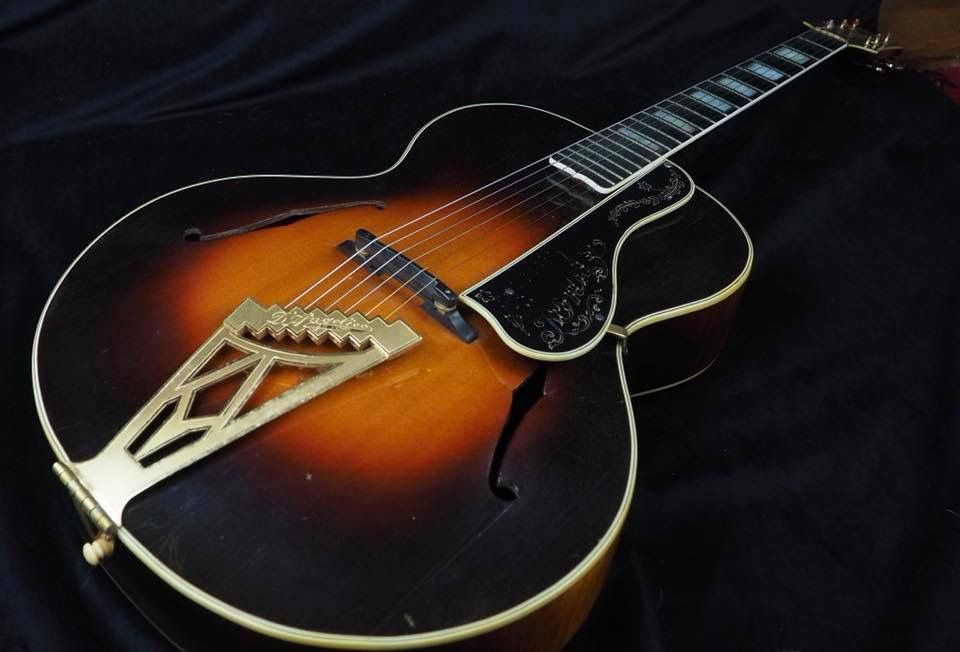
What Is an Archtop?
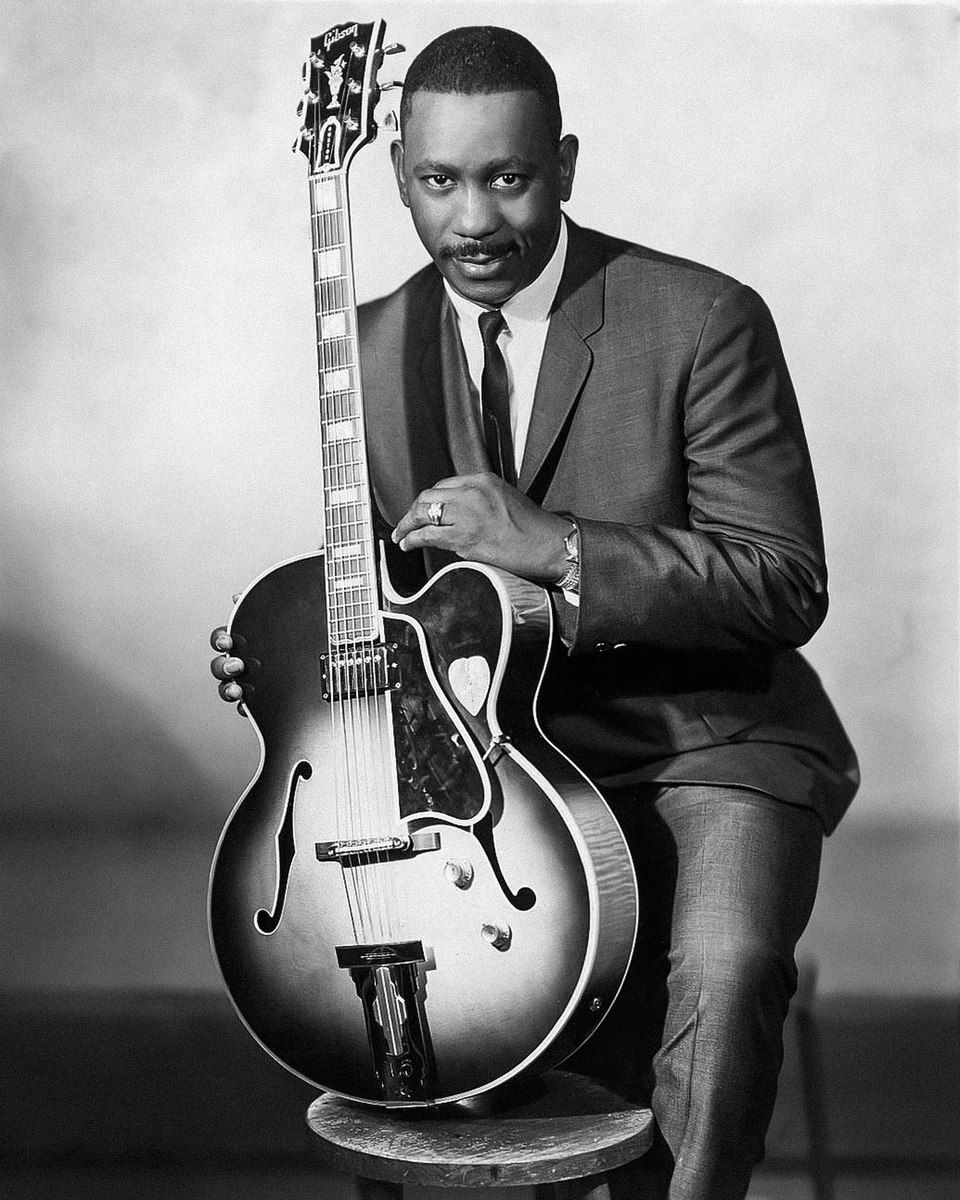
Archtop guitars are instantly recognizable by their carved, violin-like tops and backs, f-holes, and elegant curves.
Unlike flat-top acoustic guitars, archtops are designed for projection, clarity, and punch—qualities that made them indispensable in early jazz ensembles.
Of course, their hollow bodies mean that they are inherently acoustic instruments with tons of unplugged character. Throw a pickup in the mix, and even more complex colors are revealed in their voice.
Whether acoustic or electric, archtops occupy a unique tonal space: warm, articulate, and rhythmically precise.
Early Origins
The story of the archtop guitar begins in the early 20th century, when musicians needed more volume to compete with horns and percussion.
Enter Orville Gibson, a luthier who applied violin construction principles—arched tops and backs—to guitars. His designs laid the foundation for what would become the modern archtop.
By the 1920s, Gibson refined these ideas into production instruments like the L-5, widely considered the first commercially successful archtop guitar. Its carved spruce top and maple back delivered the projection needed for ensemble playing, making it a favorite among jazz and dance band musicians.
The Jazz Boom
The 1930s and 1940s marked the golden age of archtop guitars. Big band music dominated, and guitarists needed instruments that could cut through dense arrangements. Archtops became the rhythm engine of swing, providing percussive “chunk” chords that drove the music forward.
During this era, brands like Gibson, Epiphone, and D’Angelico pushed craftsmanship to new heights. Larger body sizes (16", 17", even 18") increased volume and low-end response, while ornate appointments reflected the guitar’s growing prestige.
Electric Evolution
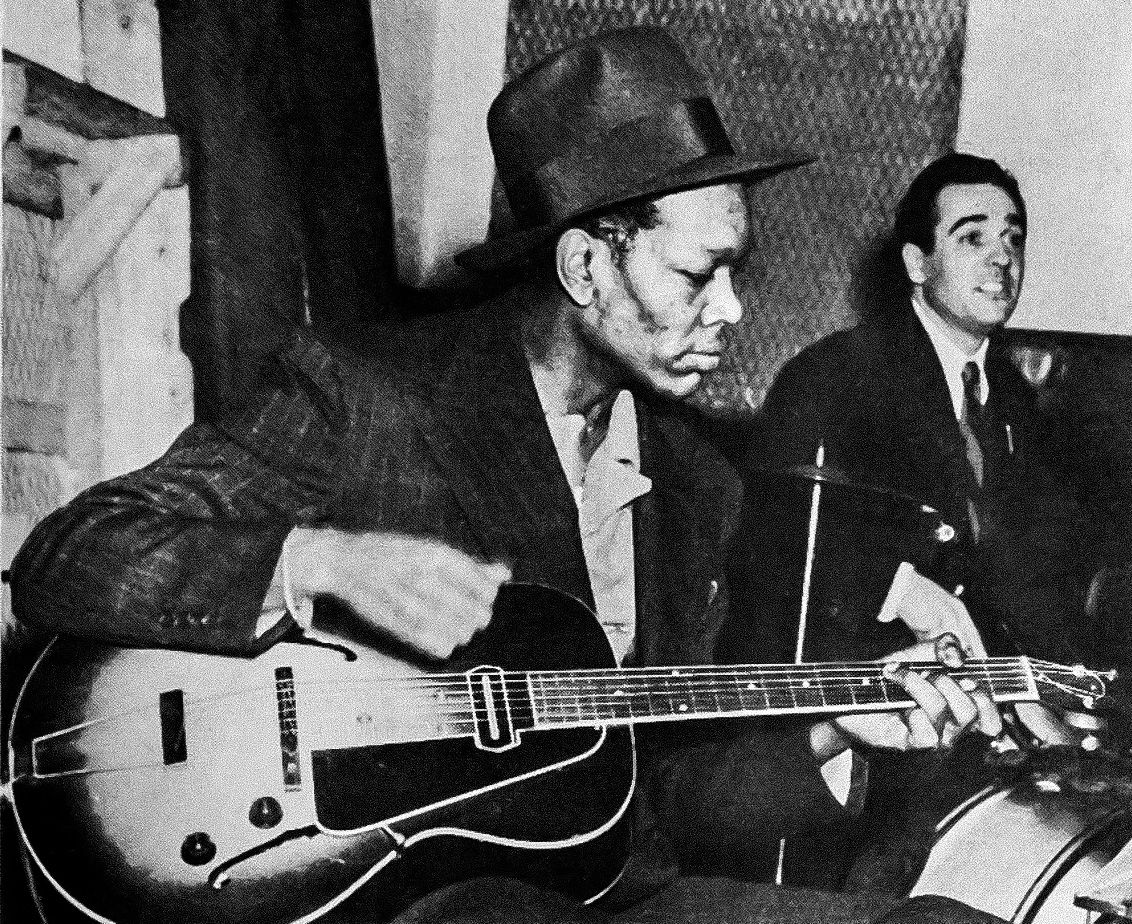
As amplification technology improved in the 1930s, archtop guitars evolved once again. The addition of pickups transformed them into versatile electric instruments. Charlie Christian, one of the first great electric guitarists, popularized the amplified archtop with Benny Goodman’s band.
Electric archtops retained their hollow construction but gained sustain and tonal flexibility. Over time, variations emerged—from fully hollow jazz boxes to semi-hollow designs like the Gibson ES-335, which balanced warmth with feedback resistance.
Classic Models and Brands
Several archtop models have achieved near-mythical status:
Gibson L-5 – The original benchmark. Known for its rich tone and craftsmanship.
Gibson Super 400 – A larger, more luxurious evolution of the L-5.
Epiphone Emperor – A direct competitor to Gibson’s high-end models.
D’Angelico New Yorker – Hand-built masterpieces with stunning aesthetics.
Gretsch White Falcon – A visually striking electric archtop with a unique voice and rockabilly appeal.
Modern builders like Benedetto, Eastman, and Heritage continue the tradition, blending vintage design with contemporary playability.
Iconic Players and Their Guitars
Archtop guitars are deeply tied to the players who shaped their sound. Here are just a handful of such legends:
Wes Montgomery – Gibson L-5 CES; a jazz giant known for sizzling octave runs and his incredible thumb technique.
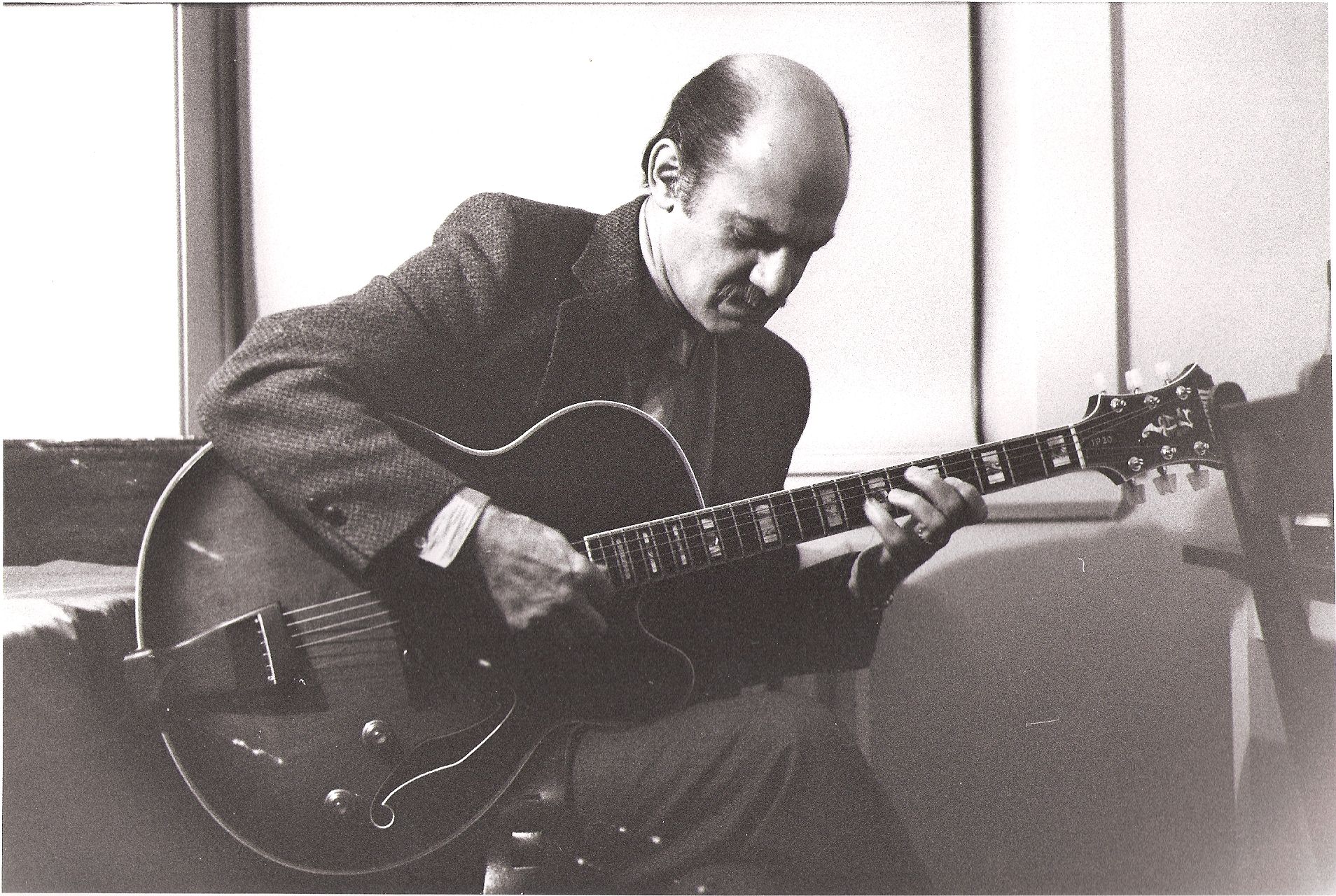
Joe Pass – Gibson ES-175, later his signature Ibanez Model JP and Epiphone Emperor II; the quintessential master of chord-melody jazz.
Pat Metheny – Gibson ES-175 and later custom models including Manzer and Ibanez ; Pioneering modern jazz player who broke boundaries with his signature models.
Jim Hall – Gibson ES-175; Hall spoke through his 175 with subtle, lyrical phrasing.
George Benson – Ibanez GB10; Benson utilizes incredible right hand technique to emphasize the smooth, soulful tone of his signature Ibanez.
Charlie Christian – Gibson ES-150; Christian isn't just a jazz great, he's a pioneer of electric guitar – boutique manufacturers continue to produce his namesake pickup.
Signature Techniques for Archtops
To truly unlock an archtop’s potential, technique matters:
1. Light Touch, Big Tone
Archtops respond beautifully to a controlled, nuanced attack that'll bring out their full dynamic range. Instead of forcing volume, let the guitar do the work – it's an acoustic instrument, after all.
2. Freddie Green Comping
Named after Count Basie’s guitarist, Freddie Green style emphasizes steady, muted quarter-note chords—perfect for rhythm playing.
3. Thumb Playing
Popularized by Wes Montgomery, using the flesh of the thumb instead of a plectrum emphasizes an archtop's warm, rounded voice
4. Chord-Melody Style
Combining melody and harmony simultaneously showcases the archtop’s clarity and balance.
5. Controlled Dynamics
In the right hands, an archtop has a truly incredible dynamic range. Subtle changes in attack can dramatically alter tone.
Archtop-Friendly Stringjoys
Some of our preferred gear for archtop guitars

Stringjoy 12-52 Classic Heavy Gauge Broadways - Pure Nickel Electric Guitar Strings

Stringjoy 11-48 Classic Medium Gauge Broadways - Pure Nickel Electric Guitar Strings
Stringjoy .88mm Key Lime Jumbo Jazz Picks - 10 pack

Stringjoy .88mm Key Lime Jazz Picks - 10 pack

Stringjoy 10-48 Wound 3rd Light Gauge Signatures - Nickel Wound Electric Guitar Strings
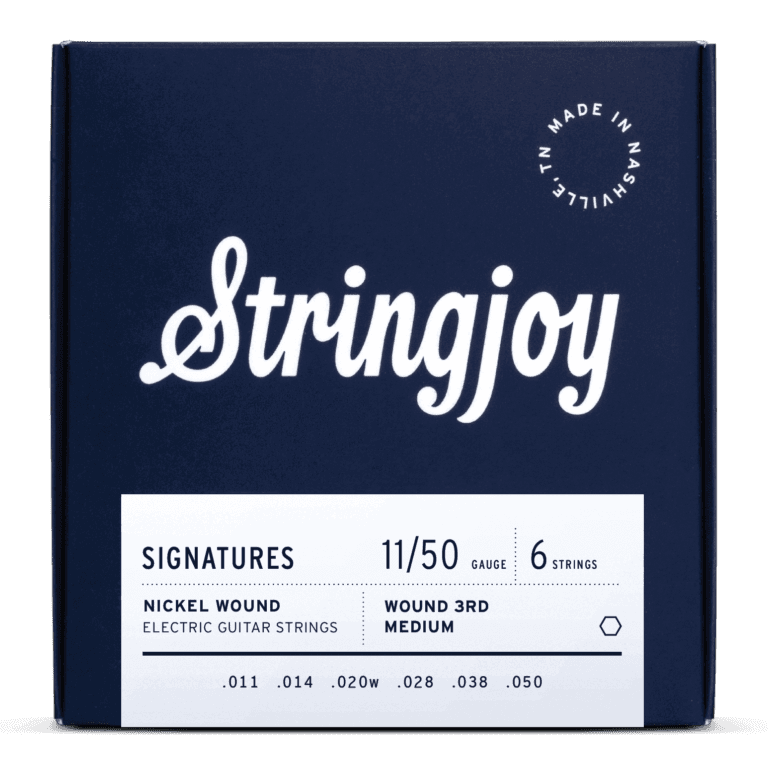
Stringjoy 11-50 Wound 3rd Medium Gauge Signatures - Nickel Wound Electric Guitar Strings
Stringjoy .60mm Orange Soda Jazz Picks - 10 pack
Stringjoy 1.0mm Blueberry Jumbo Jazz Picks - 10 pack

Stringjoy 12-54 Light Gauge Naturals - Phosphor Bronze Acoustic Guitar Strings
String Choices Matter
Strings play a huge role in shaping an archtop’s sound and feel. Most players gravitate toward heavier gauges and specific constructions:
Flatwound Strings
The classic choice. Flatwounds offer a smooth feel, reduced finger noise, and a warm, mellow tone that makes them ideal for traditional jazz.
Roundwound Strings
Brighter and more modern, some players prefer roundwound strings for their added articulation and versatility.
Nickel, Steel, and Phosphor Bronze
Nickel-wound strings - particularly pure nickel - are popular for their balanced warmth, while stainless steel offers more brightness and durability. Players of acoustic archtops or those who simply want to lean in on their guitars' acoustic qualities will often choose phosphor bronze.
Common Gauges
Heavier sets (e.g., .012–.052 or .013–.056) are typical for archtop players. They enhance tone and sustain, especially on larger-bodied guitars. Wound 3rds are often key to bringing out the full acoustic voice of an archtop.
Ultimately, the “right” string depends on your style—traditional jazz players often lean flatwound, while modern players or those who explore other genres on their archtops are more prone to experiment.
Why Archtops Endure
Despite changes in music and technology, archtop guitars remain completely relevant today. Their tonal character—clear, warm, and expressive—continues to inspire players across genres.
Archtops also represent a unique intersection of craftsmanship and musical history. From hand-carved tops to elegant finishes and truly "blinged out" appointments, archtops are as much works of art as they are instruments.
Never gotten your hands on one? We highly recommend it. Whether you’re comping in a jazz trio or simply exploring new sonic territory, the archtop experience is like no other.
Other Posts you may like


Guitar Strings Order: How the Guitar is Tuned and Why

Two Handed Tapping: Our Top 8 Tappers of All Time
Which Guitar Strings Wear Your Fret Wire Down More?
What is Nashville Tuning? Its History, Best Guitar Strings & Uses
Guitar Scale Length Explained: String Tension & Playability

What Guitar Strings I Used To Play...
0 Responses
Leave a Reply
Your email address will not be published. Required fields are marked *

